Busy Schedule? Fit Home Workouts Into 10–20 Minutes
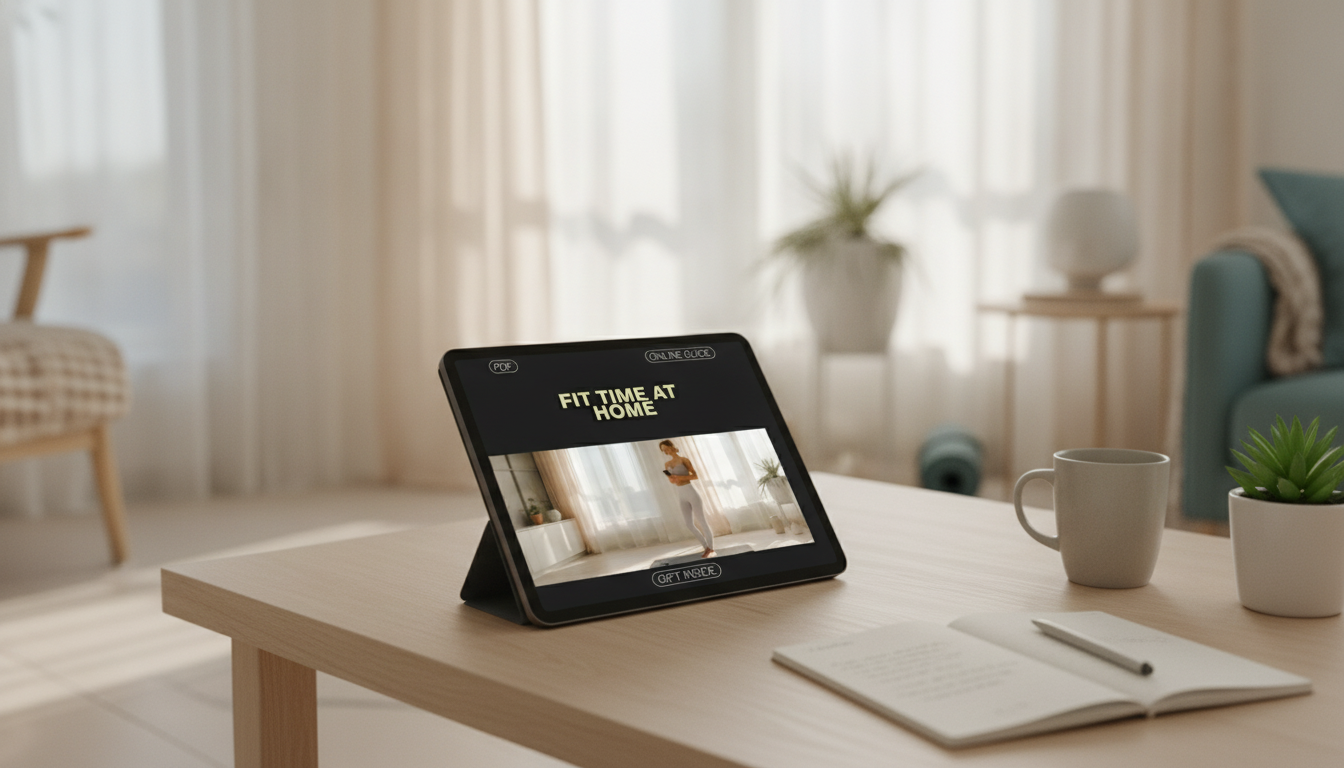
Fit Time at Home: A Practical Plan for Busy People to Make Home Workouts Happen
A consistent workout routine rarely fails because of motivation alone—it fails because the day gets crowded. The goal is to build a simple system that protects small pockets of time, matches workouts to real-life energy levels, and removes the friction of getting started. This guide lays out a repeatable approach to find workout time at home, even with an unpredictable schedule. For more guidance, see Fit a workout into any schedule – Mayo Clinic Health System.
Start with a realistic definition of “enough”
The fastest way to quit is to set a standard that only works on your best week. Start with a minimum routine you can actually repeat. For further reading, see Personal Trainer’s Guide: Workout Plans for Busy Schedules.
- Set a minimum effective routine: aim for 10–20 minutes, 3–4 days per week before adding more volume.
- Pick one outcome for the next 4 weeks: strength, mobility, stress relief, or general fitness. One goal means fewer decisions.
- Use a two-tier target: a “baseline” session (always doable) and a “bonus” session (when time and energy are higher).
- Define what counts at home: bodyweight circuit, resistance band session, yoga flow, treadmill walk, or a short strength block all qualify.
If you’re also trying to align your routine with broader health guidelines, the CDC’s adult activity recommendations can be a helpful reference point for weekly targets—without requiring long workouts every day.
Find hidden time with a quick calendar audit
You don’t need “free time.” You need repeatable gaps you can protect. A 10-minute window that shows up four times a week can be more valuable than a single open hour that never happens.
- Spot common time leaks: scrolling, unplanned chores, and transition time between tasks.
- Look for repeatable 10-minute gaps: before a shower, after school drop-off, during lunch, or right after work.
- Pick two protected windows this week: treat them like appointments, not “if I get to it” ideas.
- Plan for interruptions: assume 1–2 workouts get disrupted and keep a 7-minute backup ready.
Use the “micro-to-macro” method (short workouts that add up)
When your schedule is unpredictable, micro-workouts keep the habit alive. Macro sessions build progress when the week opens up.
- Keep a menu of three micro-workouts (5–10 minutes): no setup options like mobility, core, and a quick sweat session.
- Create a 20-minute anchor workout: something you like enough to repeat, and can shorten to 12 minutes without feeling like you “failed.”
- Match intensity to your day: low-intensity movement on high-stress days; harder sessions on lower-stress days.
- Track consistency first: sessions completed. Then track progression: reps, time, or resistance.
For strength sessions, progression can be as simple as adding one rep per set, slowing the lowering phase, or using a slightly stronger band. Over time, those tiny changes compound.
Build a weekly plan that matches real life (not a perfect week)
Sample Busy-Week Home Workout Planner (Flexible, Repeatable)
| Day | Protected Window | Workout Theme | Baseline (10–15 min) | Bonus (20–30 min) |
|---|---|---|---|---|
| Mon | Before shower | Strength A | Squat + push + plank circuit | Add extra round + loaded carries |
| Tue | Lunch break | Mobility | Hips/shoulders flow + easy walk | Longer mobility + light core finisher |
| Wed | After work | Strength B | Hinge + row + glute bridge circuit | Add tempo reps + band work |
| Thu | Any 10 min gap | Micro-sweat | Intervals: 30s on/30s off x 8 | Intervals x 16 + cooldown |
| Fri | After dinner | Recovery | Gentle stretch + breathing | Yoga flow 25–30 min |
| Sat | Morning | Longer session | Brisk walk 15 min | Walk 45 min or full-body strength |
| Sun | Evening reset | Plan + prep | Choose next week’s 3 windows | Meal prep + layout workout space |
Make workouts easier to start: reduce friction at home
If you want a plug-and-play way to plan protected windows and baseline/bonus sessions, Fit Time at Home: A Digital Guide on How to Find Time for Home Workouts | Busy Person Exercise Planner is designed for quick weekly setup and faster day-to-day decisions.
Use habit stacking and boundaries to protect your time
Reducing household friction helps too. Streamlining your kitchen routines can make weeknights smoother and protect your workout window; A Simple System for an Organized Pantry – 10 in 1 Bundle of Guides, eBooks & Checklists can support faster meal prep and fewer last-minute “where is that?” chores.
Troubleshooting common blockers (and quick fixes)
Comfort also matters: workout clothes you actually like wearing can remove a surprisingly big barrier to starting. If you’re updating your wardrobe for better daily comfort and movement, Shape-Savvy Style for Triangle Figures: The Ultimate Guide to Dressing Your Triangle Body Shape can help you choose fits that feel better day-to-day.
A simple planner that keeps the system running
For a structured template built around the baseline/bonus approach (so you’re never starting from scratch), use Fit Time at Home: A Digital Guide on How to Find Time for Home Workouts | Busy Person Exercise Planner as your repeatable weekly reset.
FAQ
How many days a week should a busy person work out at home?
A sustainable baseline is 3–4 days per week with 10–20 minute sessions. Add a bonus day or a longer session when your schedule is lighter, but keep the baseline non-negotiable.
Do short home workouts actually work?
Yes—consistency and progression matter more than long sessions. A focused 10–15 minutes of compound movements, intervals, or a structured circuit can build fitness when repeated week after week.
What if the planned workout time gets interrupted?
Switch to a micro-workout (5–10 minutes), use a timer, and treat any completed movement as a win. Protecting the habit is the priority; you can return to longer sessions when life allows.












Leave a comment