Universal Blow-Molded Baby Car Seat: Fit & Safety Checks

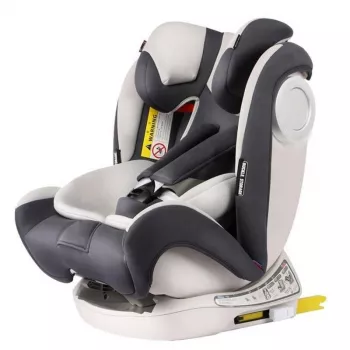
Universal Blow Molding Baby Car Seat: What to Know Before You Buy
A baby car seat needs to do three things well: fit the child, fit the vehicle, and stay secure in real-world driving. This overview breaks down what to look for in a universal-style blow-molded baby car seat, how blow molding can affect durability and weight, and the practical checks to make before every ride.
At-a-glance overview
- Designed as a universal-style baby car seat intended to work across many vehicles when installed correctly.
- Blow-molded shell construction is commonly used to create a consistent, rigid outer structure with smooth contours.
- Best results come from matching the seat to the child’s current height/weight range and using the correct installation method (seat belt or LATCH, depending on the model and vehicle).
Quick details
| Item | Details |
|---|---|
| Product name | Universal Blow Molding Baby Car Seat |
| Price | 616.01 USD |
| Availability | In stock |
| Listed stock | 27 |
| Product page | https://rubinara.com/universal-blow-molding-baby-car-seat/ |
What “universal” fit can and can’t mean
The word “universal” can be reassuring, but it’s important to understand what it typically represents in the car-seat world. In most cases, it signals broad compatibility across many vehicles—not a promise that every seating position in every vehicle will allow an ideal install.
- A “universal” label typically refers to broad vehicle compatibility, not a guarantee that every seating position or every vehicle will allow an ideal installation angle and tightness.
- Compatibility depends on the vehicle seat shape, belt geometry, presence/placement of lower anchors, and available space for correct recline.
- Always confirm that the seat can be installed tightly (commonly: minimal movement at the belt path) and that the child restraint does not interfere with airbags or vehicle buckles.
For practical guidance on selecting and using car seats, it helps to reference established safety resources like NHTSA’s car seat information and family-friendly summaries from the American Academy of Pediatrics.
How blow molding affects the shell
Blow molding is a manufacturing process where heated plastic is expanded into a mold to form a hollow or semi-hollow structure. For car seat shells, this approach is often used to create smooth contours and consistent thickness through key areas of the shell.
- Blow molding forms a plastic shell by expanding heated material into a mold; this can produce smooth surfaces and consistent wall thickness in key areas.
- A well-designed shell aims to balance rigidity (to maintain structure) with engineered energy management (often paired with foam or padding systems).
- Practical benefits parents notice can include easier wipe-down surfaces, fewer seams in some designs, and a robust feel when carrying or moving the seat.
Manufacturing method alone doesn’t determine protection; the complete design and correct use matter most. A sturdy shell still needs proper harness fit, a secure install, and the right recline for the child’s stage.
Safety checks to prioritize before purchase and on every ride
Daily routines are where real safety happens. A solid seat choice is only as good as the consistency of the checks that follow.
- Confirm the seat is appropriate for the child’s current height and weight range and that the harness can be positioned at the correct level for the seating mode being used.
- Look for clear labeling and instructions that reference applicable safety standards for the market where it’s used; follow the manual exactly for installation and recline.
- Perform a quick pre-drive check: harness snugness (pinch test at the shoulder), chest clip placement, and a tight installation at the belt path.
Community organizations often provide easy-to-follow checklists and inspection-event information; Safe Kids Worldwide is a common starting point for practical education and local resources.
Installation essentials: getting a secure fit
If a seat feels “mostly tight,” it’s worth taking the extra minute to troubleshoot. Many installation issues come down to one small detail: routing the belt correctly, choosing the approved installation method, or setting the recline for the child’s age.
Comfort and daily usability details that matter
Care, cleaning, and longevity
When to consider professional help
Other in-stock picks for a smoother day-to-day routine
- Universal Blow Molding Baby Car Seat
- A Simple System for an Organized Pantry – 10 in 1 Bundle of Guides, eBooks & Checklists
- 6-Drawer Oak Dresser for Bedroom, Modern Wooden Closet Storage Chest
FAQ
Does a universal baby car seat fit every car?
Not necessarily. “Universal” usually means broad compatibility, but a correct installation still depends on the vehicle seat shape, belt or LATCH geometry, and whether you can achieve a tight fit and proper recline. Always check both manuals and test the installation in your vehicle.
How tight should the car seat be after installation?
It should have minimal movement when you tug at the belt path (where the belt or LATCH runs through the seat). Check tightness at the belt path—not at the top of the seat—because the top can move more even when the install is secure.
What is blow molding and why is it used for car seat shells?
Blow molding is a process that forms plastic by expanding heated material into a mold, which can help create smooth contours and consistent shaping in the shell. It’s used to build a rigid outer structure, but overall protection depends on the full seat design and correct installation and harness use.










Leave a comment