Winter Long Sleeve Gym Tops for Women: Warm, Dry, Move
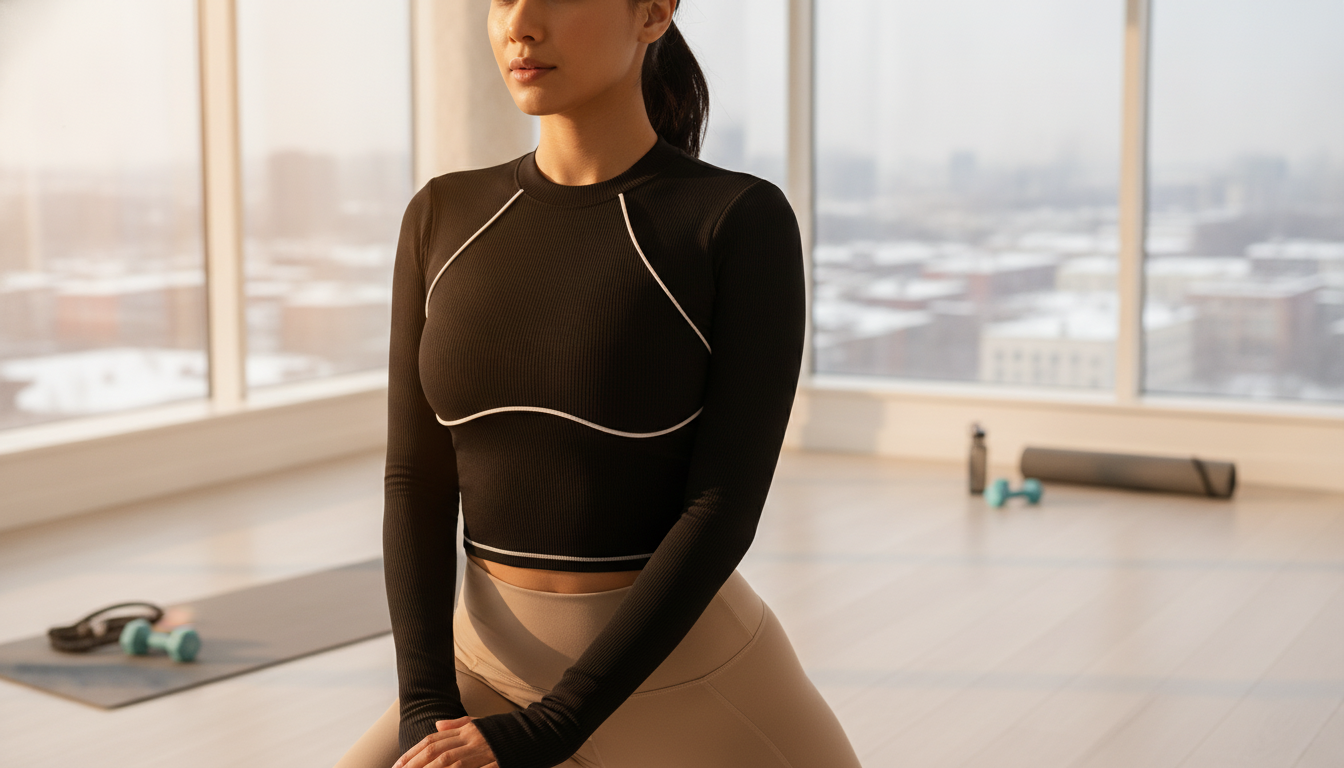
Long Sleeve Women’s Gym Tops for Winter Workouts: Warmth, Mobility, and Sweat Control
Cold-weather training calls for a top that keeps warmth in without trapping sweat. A well-chosen long sleeve gym top can act as a base layer for outdoor runs, a comfortable layer for studio yoga, and a reliable go-to for strength sessions—balancing insulation, stretch, and breathability so movement stays unrestricted. When temperatures drop, the goal is simple: stay warm while you move, then stay dry when you stop.
For outdoor safety basics—like planning for wind chill, dressing in layers, and avoiding rapid cooling—review guidance from the American College of Sports Medicine (ACSM), plus winter exercise tips from the Mayo Clinic.
What a Winter-Ready Training Top Should Do
- Hold warmth close to the body while still venting heat during higher-intensity sets.
- Move with the shoulders, elbows, and torso without riding up in planks, downward dog, or overhead presses.
- Manage moisture so sweat doesn’t cool on the skin during rest periods or after class.
- Feel comfortable against skin for long sessions, including warm-ups and cooldowns.
- Layer cleanly under a vest, hoodie, or jacket without bunching at the arms.
That last point matters more than it seems: winter training often includes transitions (car to gym, gym to errands, studio to sidewalk). A top that’s smooth and low-bulk makes those transitions easier, and it reduces friction points under outer layers.
Fabric and Feel: Picking the Right Warmth Level
- Lightweight performance knits: best for indoor training or mild winter days; pair with an outer layer outdoors.
- Midweight fabrics: a practical choice for mixed use (commute + workout) and for people who chill easily.
- Brushed interiors: add cozy warmth, ideal for low-intensity yoga, walking, and post-workout coverage.
- Moisture-wicking fibers: help reduce that cold, clammy feel after a sweaty interval.
- Breathable panels or a looser knit: can help prevent overheating when intensity rises.
Common Winter Activewear Fabrics at a Glance
| Fabric type | Warmth | Breathability | Best for | Watch for |
|---|---|---|---|---|
| Polyester/spandex blend | Low–Medium | High | Indoor gym, layering base, yoga flow | Can feel cool if soaked and exposed to wind |
| Nylon/spandex blend | Low–Medium | High | Sleek fit, strength training, studio classes | May need an outer layer outdoors |
| Brushed performance knit | Medium–High | Medium | Cold studios, walking, low-intensity sessions | Can trap heat during HIIT |
| Merino blend | Medium | Medium–High | Outdoor training, odor control, variable intensity | Needs gentle care; higher cost |
Fit and Construction That Support Movement
- Sleeve length: look for coverage that stays down during bends and reaches without pulling at the forearm.
- Stretch and recovery: fabric should snap back so elbows and shoulders don’t bag out over time.
- Hem stability: a slightly longer hem helps prevent ride-up in planks and when running.
- Seams: flat or smooth stitching reduces rubbing, especially under a jacket or backpack straps.
- Neckline: higher necks reduce chill; open necklines can feel freer for indoor practice.
If you’re layering, pay attention to how the arms feel inside a hoodie or shell. A long sleeve top with a smooth exterior and streamlined sleeve cut tends to glide under outerwear, instead of twisting around your forearm as you move.
Layering for Outdoor Workouts and Commutes
- Base layer: a fitted long sleeve top that wicks moisture is the foundation for most winter setups.
- Mid layer: add a fleece or insulated vest when temperatures drop or wind picks up.
- Outer layer: use a wind-resistant shell for running or walking in cold wind; ventilation zips help prevent overheating.
- Adjust by intensity: faster sessions often need fewer layers; low-intensity sessions typically need more insulation.
- Post-workout: keep a dry layer handy to swap after training to avoid getting chilled.
One practical rule: if you start slightly cool, you’ll often feel comfortable after the first 5–10 minutes. But if you start warm indoors and step outside into wind, sweat can chill quickly—so prioritize moisture control and easy venting. For cold-related risk awareness, the CDC’s hypothermia guidance is a helpful refresher.
Where This Style Works Best: Yoga, Fitness, and Everyday Wear
Care Tips to Keep Performance Fabrics Working
Featured Pick for Cold-Weather Training
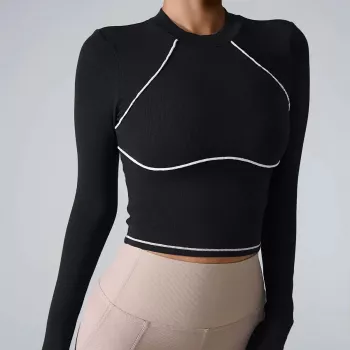
- Long Sleeve Women’s Gym Tops – Yoga, Fitness, and Sportswear for Winter: a versatile long-sleeve option designed for winter workouts and layering.
- Works well as a base layer under outerwear or as a standalone top for indoor sessions.
- A practical choice for building a winter rotation without overcomplicating sizing and styling.
More In-Stock Picks to Round Out Your Winter Routine
- Chic Mixed Color Lace-Up Loafers: an easy swap for post-workout errands when you want a polished look without sacrificing comfort.
- Shape-Savvy Style for Triangle Figures: The Ultimate Guide to Dressing Your Triangle Body Shape: helpful for building athleisure outfits that feel balanced and confident from gym to everyday wear.
FAQ
Should a winter gym top be tight or loose?
A close-to-body fit usually performs best in winter because it traps a thin layer of warmth and moves sweat away efficiently. Choose enough stretch for full range of motion, and consider sizing up only if you plan to layer a thicker mid-layer over it or prefer a relaxed feel.
What fabric is best for staying warm without getting sweaty?
Moisture-wicking synthetics (like polyester/spandex or nylon/spandex) work well for most workouts, while merino blends add warmth and odor control for outdoor sessions. Match the warmth level to your intensity: midweight for mixed training, brushed interiors for low-intensity days where you get cold easily.
How should a long sleeve top fit for yoga and floor work?
Look for a hem that stays put when you bend and invert, plus sleeves that don’t slide up during planks. Smooth seams and strong stretch-and-recovery help the top stay comfortable through repeated transitions without pulling or twisting.










Leave a comment