Long-Haul Carry-On Essentials: AI Packing Checklist
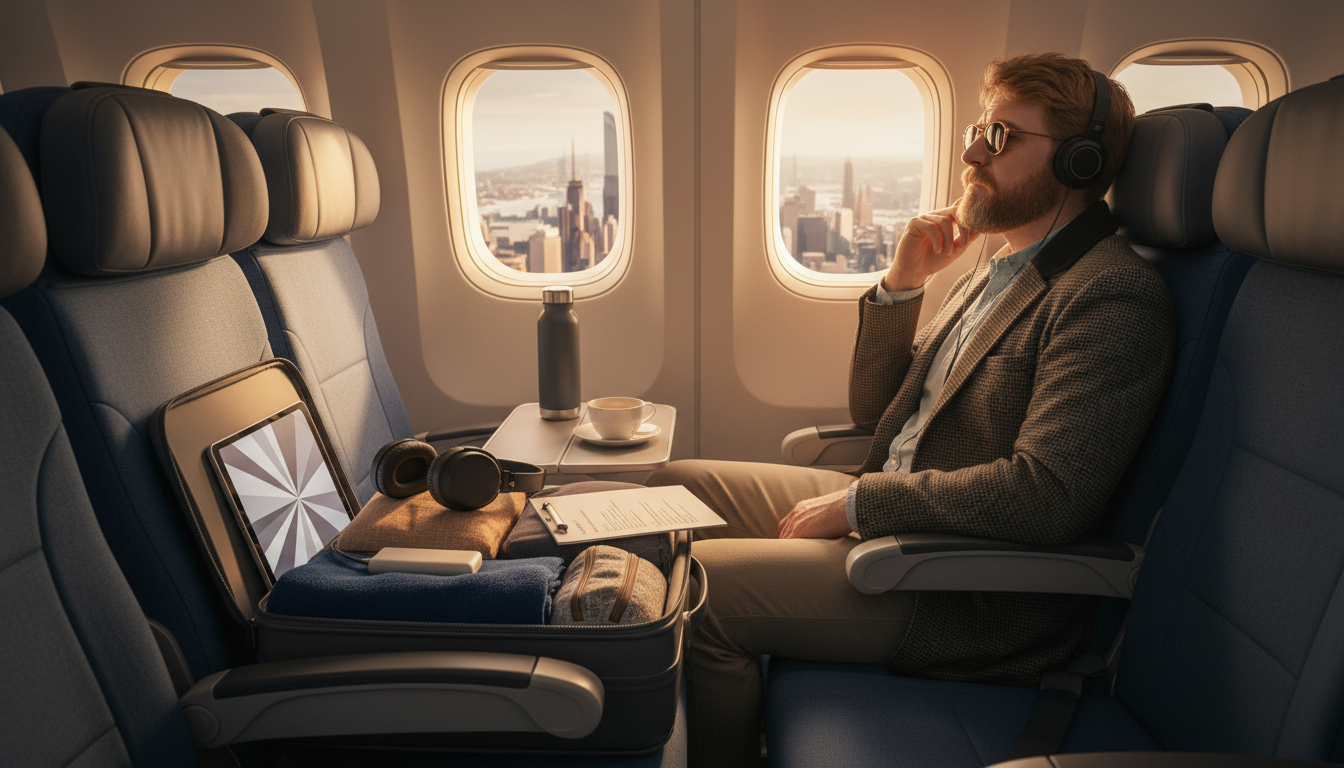
Long-haul flights get easier when every item in the carry-on earns its space. A comfort-first approach means packing for dry cabin air, temperature swings, sleep, circulation, and device power—without turning your personal item into a black hole. Below is a practical system for staying organized through security and boarding, plus an AI-personalized checklist method that helps prevent the tiny “deal-breaker” forgets (lip balm, spare cable, meds) that can make a 10-hour flight feel twice as long.
What Changes on a Long-Haul Flight (and What to Pack for It)
Long flights are their own environment: humidity is low, lighting and noise are unpredictable, and your ability to move around is limited. Pack for hydration and layers rather than “just in case” outfits; prioritize small items that deliver outsized comfort—especially for sleep. If you’re prone to stiffness, circulation issues, or headaches, a few targeted additions (compression socks, a small massage ball, permitted pain relief) can make a noticeable difference. And because outlets aren’t guaranteed, battery life quickly becomes a comfort issue: plan one reliable power setup and keep it accessible.
| Need | What to Pack | Why It Helps | Quick Tip |
|---|---|---|---|
| Sleep | Eye mask, earplugs/noise-reducing earbuds, neck pillow or scarf | Blocks light/noise and supports posture | Choose soft, compressible items that fit in a pouch |
| Hydration & skin | Refillable bottle, lip balm, moisturizer, saline spray (travel size) | Reduces dryness and discomfort | Fill bottle after security; follow liquid rules |
| Warmth | Light layer, socks, compact blanket scarf | Cabins can run cold | Wear the bulkiest layer to save bag space |
| Power & devices | Power bank, charging cable(s), adapter, wired backup | Keeps phone/reader/headphones running | Store all tech in one “grab pouch” |
| Hygiene | Toothbrush, wipes, hand sanitizer, deodorant (solid) | Freshens up mid-flight and on arrival | Pack a mini kit for lavatory visits |
| Comfort & movement | Compression socks, small massage ball, pain relief (as permitted) | Supports circulation and reduces stiffness | Move/stand periodically when safe |
| Food timing | Protein snack, electrolytes (if desired), gum | Stabilizes energy and helps ear pressure | Avoid messy or strong-smell snacks |
A Simple Carry-On System: 3 Zones That Prevent Chaos
Long-haul comfort isn’t just what you pack—it’s whether you can reach it without standing up, waking a seatmate, or unpacking your entire bag at the gate.
1) Seat-zone pouch (under-seat access)
Keep a small pouch under the seat with the items you’ll actually use during the flight: sleep kit (eye mask/earplugs), lip balm, wipes, earbuds, and a small charging cable. The goal is “no rummaging” once you sit down.
2) Transit-zone pouch (boarding and connections)
This is your fast-grab set for airport friction points: passport wallet, boarding pass, pen, medications, and your phone/charger. If you have a connection, this pouch stays with you even if the overhead bin is full.
3) Overhead-zone layer (occasional use)
For liquids, keep a dedicated, compliant bag to speed up screening, and double-check the latest TSA 3-1-1 liquids rule before travel.
The AI-Personalized Checklist: How to Pack Smarter (Not More)
For a ready-made template that generates a tailored list and a timing-based comfort plan, use the AI long-haul flight checklist and travel comfort planner (digital download). It’s designed to keep the packing list short while still covering the common long-flight pain points.
In-Flight Essentials Guide: The Non-Negotiables for Comfort
Hydration plan
Sleep kit
Hygiene reset
Power, safely
Bring one power bank you trust, plus one short cable, and store both where you can reach them. For battery and device rules, review airline guidance and the IATA dangerous goods overview for a general baseline.
Travel Comfort Planner: Timing Sleep, Meals, and Movement
Before boarding
If you want a polished airport look with easy on/off convenience, consider Chic Mixed Color Lace-Up Loafers for a structured option that pairs well with travel sets and wide-leg pants.
First hour
Every 60–120 minutes (when safe)
Do ankle circles, calf raises, and shoulder rolls, and stand briefly if you can. If you’re concerned about circulation risks, the CDC guidance on DVT and travel is a helpful reference for general prevention steps.
Pre-landing routine
Common Packing Mistakes on Long Flights (and Easy Fixes)
A Ready-to-Use Long-Haul Packing List (Personal Item Focus)
If your travel wardrobe needs help beyond packing—like building outfits that look intentional while staying comfortable—Shape-Savvy Style for Triangle Figures can help streamline clothing choices so you pack fewer pieces that work together.
Use the AI Long-Haul Flight Checklist and Comfort Planner
Get the complete digital system here: Pack Smarter for Long Flights with AI – Long-Haul Flight Checklist, In-Flight Essentials Guide, Travel Comfort Planner, AI-Personalized Packing List for Flyers.
FAQ
What should always be in a carry-on for a long-haul flight?
Always pack documents, prescription meds, a power setup (power bank + cable), a basic sleep kit, hydration support (empty bottle to refill), and a small hygiene reset kit. Keep the most-used items in a seat-accessible pouch under the seat.
How do you avoid overpacking for long flights while still staying comfortable?
Prioritize by need: essentials first, then choose one best item per category (sleep, warmth, hygiene, power) and remove duplicates. Pack by zones (seat/transit/overhead) so you don’t add “extras” just because you can’t find what you already brought.
Are compression socks worth it on long flights?
Compression socks can support circulation and reduce leg fatigue for many travelers, especially on flights with long sitting periods. If you have medical conditions or specific risk factors, it’s smart to ask a clinician what level of compression is appropriate for you.










Leave a comment