Cozy Pineapple Velvet Pet Jacket: Winter Fit & Care Tips
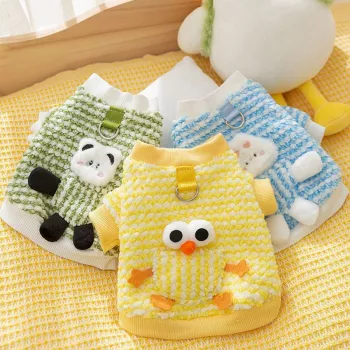
Cozy Pineapple Velvet Pet Jacket for Winter
Cold-weather walks are easier when a pet jacket adds warmth without restricting movement. The Cozy Pineapple Velvet Pet Jacket for Winter is designed to feel soft, look playful, and help keep small pets comfortable during winter outings and chilly indoor days. With a velvet-like feel and a cheerful pineapple theme, it’s a practical layer that also looks great for seasonal photos and get-togethers. For more guidance, see Homepage.
What Makes This Jacket Winter-Ready
- Velvet-style outer feel for a cozy, soft touch that’s comfortable against the body.
- Warm layer that helps reduce chill on brisk walks and in drafty rooms.
- Fun pineapple look that stands out in photos, parties, and holiday gatherings.
- Lightweight comfort intended to avoid bulky, stiff wear that can limit movement.
- Easy to pair with a harness or collar depending on the fit and your pet’s size.
For broader cold-weather safety, it helps to follow common winter guidance like limiting exposure in harsh conditions and watching for discomfort. The American Kennel Club’s cold weather tips are a helpful reference for planning safer outings: https://www.akc.org/expert-advice/health/cold-weather-safety-for-dogs/. For further reading, see The Better Together Blog: Helpful ….
Comfort and Fit: How It Should Feel on Your Pet
Warmth only matters if your pet can move naturally. A jacket that’s too tight can rub, restrict the shoulders, or put pressure on the chest; one that’s too loose can shift around and let cold air in.
- A good fit allows normal stride, sitting, and turning without pulling at the neck or armpits.
- Leave space for two fingers under the jacket at the chest for comfortable breathing.
- Check that the hem doesn’t ride up when the pet walks; adjust size if it does.
- For fluffy-coated pets, measure over the coat and avoid sizing down too aggressively.
- For short-coated pets, prioritize chest and neck comfort over length alone.
After the first wear, do a quick “movement check”: let your pet take a few steps, sit, and turn. If you notice stiff gait, repeated pawing at the jacket, or rubbing at the armpits, reassess the fit before heading outside.
Quick Measuring Guide
- Neck: measure where a collar naturally sits, not too close to the head.
- Chest (girth): measure the widest part of the ribcage behind the front legs.
- Back length: measure from the base of the neck to the start of the tail (no need to include tail).
- If between sizes, choose the larger size for comfort and layering.
- Re-check measurements if the pet has recently gained/lost weight or grew into adulthood.
Measurement checklist (before ordering)
| Measurement | How to Measure | Fit Tip |
|---|---|---|
| Neck | Around the base of the neck | Aim for snug but not tight; avoid choking when turning the head |
| Chest/Girth | Around the widest part behind front legs | Most important number for jackets; size up if between |
| Back Length | Base of neck to start of tail | A little shorter is fine; too long may interfere with tail movement |
| Weight (optional) | Current weight on a scale | Helpful as a secondary reference when choosing size |
Warmth Without Overheating
Many small pets benefit from a soft winter layer, but comfort also means avoiding overheating—especially indoors. This jacket can be a great option for cold floors, quick potty trips, and moderate winter walks, while still being easy to remove when your pet warms up.
- Ideal for cold indoor floors, quick potty trips, and moderate winter walks.
- Watch for signs of overheating indoors (panting, restlessness) and remove the jacket as needed.
- For very low temperatures, consider layering with a thin base layer rather than forcing a tight fit.
- Limit time outside for small breeds and short-coated pets even with a jacket.
If you’re dealing with extreme windchill, ice, or salted sidewalks, plan shorter outings and protect paws as needed. The ASPCA’s winter weather guidance is a solid checklist for common cold-season hazards: https://www.aspca.org/pet-care/general-pet-care/cold-weather-tips.
Care and Cleaning Tips for Velvet-Like Fabrics
Velvet-style materials look best when kept clean and dried gently. Regular light maintenance also helps the jacket stay soft and comfortable.
- Shake out debris after walks; wipe light dirt with a damp cloth.
- Use gentle washing settings when possible and avoid harsh detergents.
- Air-dry to help preserve softness and shape; avoid high heat that can mat fabric.
- Brush lightly with a soft brush if the surface looks flattened after drying.
- Store flat or hung where it won’t be crushed under heavy items.
Safety Notes for Winter Outings
When This Jacket Is a Great Choice
At-a-Glance Product Details
- Product: Cozy Pineapple Velvet Pet Jacket for Winter
- Price: $10.67 (USD)
- Availability: In stock
- Best use: Winter comfort layer for small pets
- Tip: Measure chest girth first for the most reliable fit
More In-Stock Picks to Explore
- Shape-Savvy Style for Triangle Figures: The Ultimate Guide to Dressing Your Triangle Body Shape
- A Simple System for an Organized Pantry – 10 in 1 Bundle of Guides, eBooks & Checklists
FAQ
How do I choose the right size for a pet jacket?
Measure neck, chest/girth, and back length, and prioritize the chest measurement since it’s usually the most important for jackets. If your pet is between sizes, size up to allow comfortable movement and optional layering.
Can my pet wear a winter jacket indoors?
Yes, for short periods in chilly rooms or before a quick outdoor trip. Monitor for overheating (like panting or restlessness) and remove the jacket if your pet seems uncomfortable.
How should I clean a velvet-style pet jacket?
Spot clean small messes with a damp cloth, and use gentle washing settings with mild detergent when needed. Avoid high heat, air-dry to preserve softness, and lightly brush the surface to restore texture if it looks flattened.









Leave a comment