Deluxe All-Season Car Roof Top Tent: Fast Setup Comfort
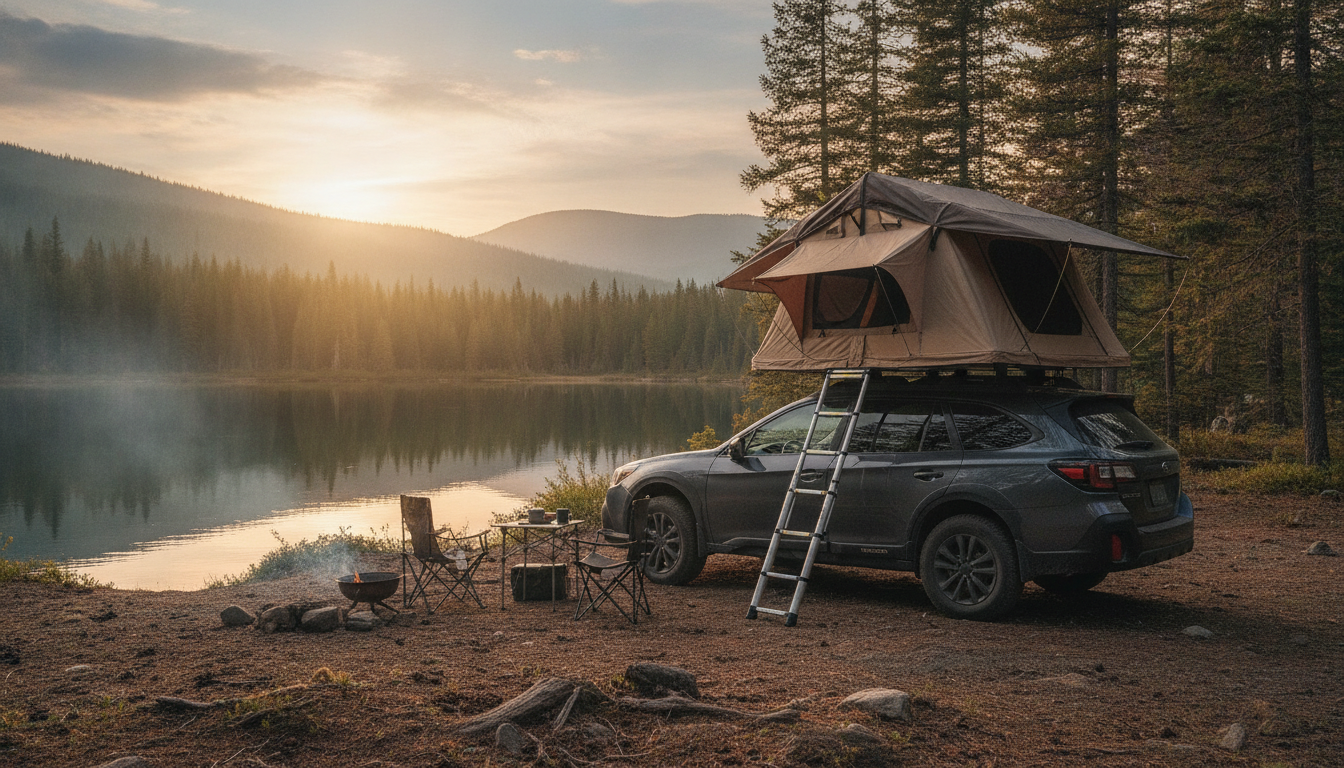
Deluxe All-Season Car Roof Top Tent
A rooftop tent changes how quickly camp can happen: park, set up, and settle in off the ground. This all-season design is built for varied weather, with an emphasis on protection, comfort, and dependable hardware for road trips, overlanding, and weekend getaways. If you like moving camp often (or arriving late and still wanting a clean, consistent sleep setup), a vehicle-mounted tent can simplify the routine while keeping you elevated above wet ground and uneven sites.
What makes an all-season rooftop tent different
Not every rooftop tent is designed with true multi-weather use in mind. An all-season model focuses on the realities of unpredictable forecasts, shifting temperatures, and repeated setup cycles across a long travel calendar.
- Weather-first build: reinforced fabric, sealed seams, and a sturdy structure intended to handle wind, rain, and temperature swings.
- Ventilation and condensation control: better airflow options help maintain comfort during cold nights and humid mornings.
- More protective rainfly and dependable hardware: components designed for repeated open/close cycles and changing conditions.
- Better for shoulder seasons: spring and fall trips often bring quick shifts in weather, so added protection matters.
For a practical overview of how rooftop tents work and what to expect when traveling with one, REI’s guide is a helpful starting point: REI Co-op Expert Advice: Rooftop Tents.
Highlights of the Deluxe All-Season Car Roof Top Tent
The Deluxe All-Season Car Roof Top Tent is built for travelers who want a consistent sleep system that comes with them—no matter where the day ends.
- All-season shelter: intended for multi-weather camping so trips don’t have to be limited to fair forecasts.
- Elevated sleeping platform: helps keep sleepers away from wet ground, uneven terrain, and crawling insects.
- Fast campsite routine: set up at the vehicle rather than searching for the perfect tent pad.
- Ideal for frequent moves: particularly useful for road trips and multi-stop routes where you want the same sleep setup each night.
Before heading out, it’s smart to review local conditions and plan around wind, rain, and overnight temperature drops. Checking NOAA National Weather Service forecasts can help you choose better parking orientation and ventilation settings.
Vehicle and rack compatibility essentials
Compatibility is the difference between a confident drive and a frustrating (or unsafe) install. Start with your vehicle’s roof rating and build outward from there: roof, rack, tent, then any extra accessories.
Quick compatibility checklist
| Item to verify | Why it matters | What to do |
|---|---|---|
| Dynamic roof load rating | Prevents overload while driving | Look up the rating in the owner’s manual and compare to rack + tent + gear |
| Crossbar/rack rating | Rack is the primary support | Use a rack system with a rating that meets or exceeds the expected load |
| Crossbar spacing | Stability and correct mounting | Measure bar spread and adjust to match mounting rail requirements |
| Total vehicle height | Avoids clearance problems | Measure from ground to top of tent; compare to parking structures and storage space |
| Mounting points and hardware | Safety and long-term durability | Recheck torque after first trips and periodically thereafter |
Rack manufacturers often provide fit tools and guidance by vehicle. If you’re selecting or upgrading crossbars, reference brand fit notes like Thule: Roof rack systems and fit guidance to confirm the right style and mounting approach.
- Confirm ratings: your vehicle roof dynamic load rating (while driving) and the roof rack/crossbar rating must support the tent and gear.
- Check crossbar spread: correct spacing improves stability and makes mounting straightforward.
- Plan for added height: garage clearance, drive-thrus, and low branches on trails become real constraints.
- Expect some noise and mpg change: streamlined racks and careful placement can reduce wind noise and drag.
Setup, pack-down, and daily use tips
A rooftop tent feels quickest when the small habits are dialed in. A few minutes of practice and a consistent routine usually pay off for the whole trip.
- Practice once at home: mounting, opening, closing, and ladder placement become much faster on the road.
- Level the vehicle when possible: improves sleep comfort and helps doors/zippers operate smoothly.
- Handle heavy rain smartly: park to manage run-off, and keep the entry area clear so water doesn’t pool where you step.
- Vent in cold weather: cracking vents slightly reduces condensation and helps keep bedding drier.
Comfort for real trips: sleep quality and space
Comfort is usually what convinces people to keep traveling with a rooftop tent. A consistent bed—already part of the vehicle—removes a lot of nightly friction.
Care and longevity
At-a-glance details
| Detail | Value |
|---|---|
| Product | Deluxe All-Season Car Roof Top Tent |
| Price | 1611.49 USD |
| Availability | In stock |
| Best use | Multi-season vehicle-based camping and frequent move camps |
| Where it mounts | On a properly rated roof rack/crossbar system |
Who this tent fits best
You may also like
- Chic Mixed Color Lace-Up Loafers (easy slip-on comfort after a day on the road)
- A Simple System for an Organized Pantry – 10 in 1 Bundle of Guides, eBooks & Checklists (handy for organizing food and supplies for longer trips)
FAQ
Will a rooftop tent work on any car?
Most vehicles can work if your roof and rack dynamic load ratings are sufficient. Confirm the rating in your owner’s manual, use a compatible rack system, and account for added height and total mounted weight before driving.
How is condensation managed in cold or wet weather?
Crack vents or windows slightly, use breathable bedding, and wipe down moisture in the morning if needed. Condensation can happen in any enclosed tent depending on humidity and temperature, so fully drying the tent before storage is key.
How long does setup and pack-down usually take?
Many campers land around 5–15 minutes once they’ve practiced, while first-time setup can take longer. Practicing at home, keeping bedding organized, and parking level can noticeably speed things up.











Leave a comment