Interview Outfit Guide: Dress Smart, Make a Strong Impression
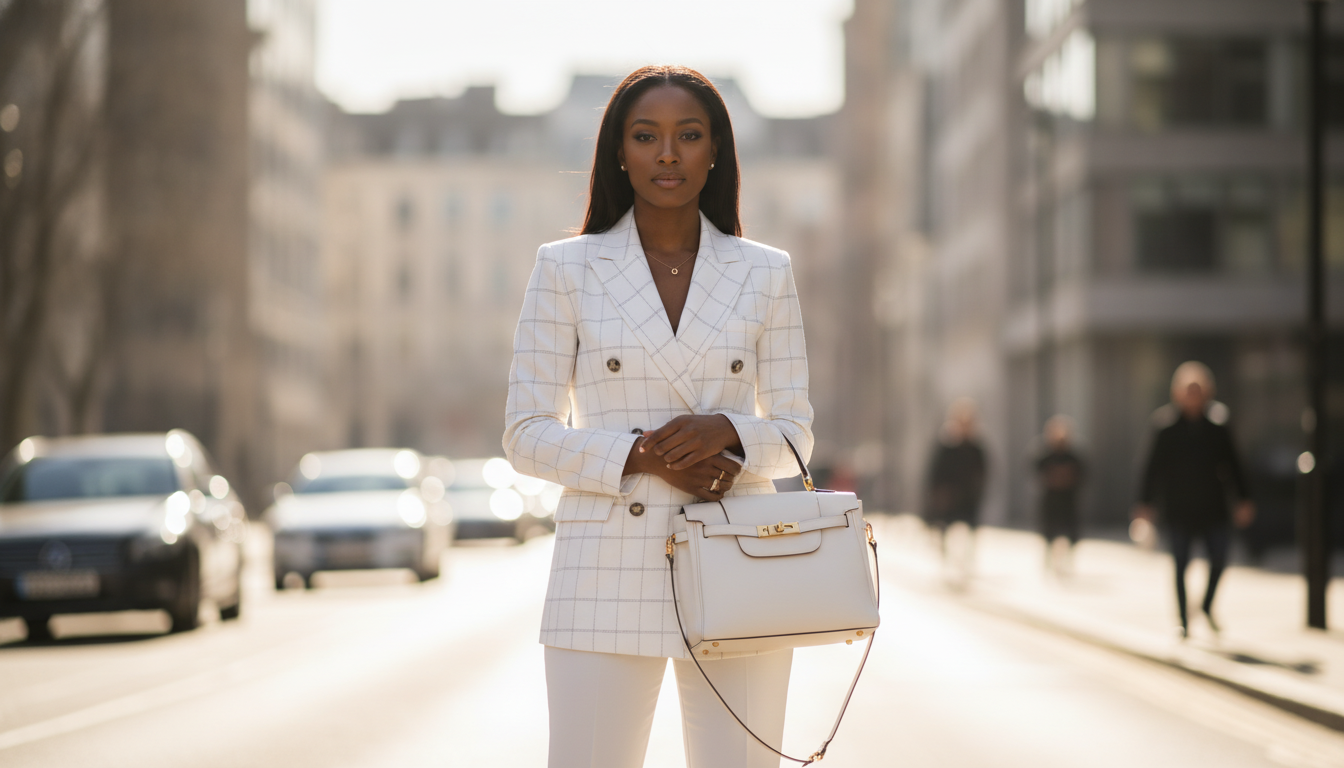
Dress Smart, Get Hired: A Practical Interview Outfit Playbook for Strong First Impressions
Interview outfits work best when they remove doubt—yours and the interviewer’s—by signaling judgment, polish, and fit for the role. The goal is simple: look credible, intentional, and comfortable enough to focus on your answers. Use the guidance below to match the company’s expectations, choose reliable outfit formulas, and avoid the small mistakes that quietly weaken first impressions.
Start with the dress code ladder (and aim one step more polished)
Before you plan a “great outfit,” decide what the workplace considers normal. Most interview misses happen when the candidate matches their personal style instead of the company’s baseline. Identify the environment—corporate, business professional, business casual, smart casual, or creative—then dress one step more polished than everyday office attire unless you’re told otherwise.
Practical clues: employee photos on the company site, recent posts on LinkedIn, and details in the invite (virtual vs. onsite, panel vs. recruiter screen). When uncertain, choose neutral colors, structured pieces, and minimal accessories. If you want a research-backed nudge on workplace signals and credibility, browsing guidance from Harvard Business Review and the Indeed Career Guide can help you calibrate quickly.
Outfit direction by workplace style
| Workplace style | What usually works | Avoid |
|---|---|---|
| Corporate / finance / law | Suit or matching blazer + trousers/skirt, closed-toe shoes, conservative accessories | Loud patterns, casual shoes, statement jewelry that distracts |
| Business professional (most office roles) | Blazer + tailored trousers, sheath dress + blazer, polished loafers or low heels | Wrinkled fabric, overly tight fits, flashy logos |
| Business casual (tech ops, education admin, many mid-size companies) | Knit top + blazer/cardigan, chinos or tailored pants, clean leather shoes | Sneakers (unless clearly acceptable), overly casual denim, revealing tops |
| Creative / design / media | Elevated basics, one intentional accent piece, sleek dark denim if appropriate | Anything that looks like “costume,” uncomfortable experimental shoes |
| Remote-first / casual | Camera-ready top with structure, solid colors, neat grooming, tidy background | Busy prints on camera, low-cut necklines, slouchy hoodies (unless standard) |
Interview outfit formulas that rarely fail
When you’re short on time, rely on outfit “formulas” instead of reinventing the wheel. The best formulas look intentional, photograph well, and keep your attention on the conversation—not your collar, hem, or waistband.
- Formula 1: Blazer + solid top + tailored trousers + leather shoes (works across most industries).
- Formula 2: Sheath or midi dress + blazer/cardigan + closed-toe flats/heels (easy, polished).
- Formula 3: Button-up or elevated knit + tailored pants + loafers (strong for business casual).
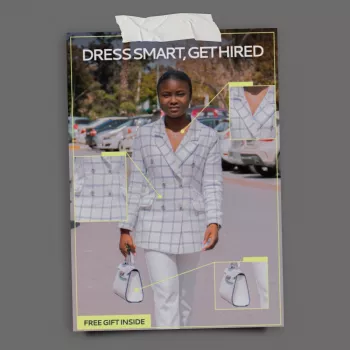
Choose colors that read credible and stay calm on camera: navy, charcoal, black, cream, soft blue, and muted earth tones. Prioritize fit: shoulders aligned, pants hemmed, sleeves not swallowing your hands, and no gaping buttons. If you want a faster decision path (especially when you’re balancing industry, format, and comfort), keep a concise reference like the Dress Smart, Get Hired – Interview Outfit Guide eBook on hand.
Details that shape first impressions: grooming, fabric, and finishing touches
Small details don’t “win” the interview, but they can quietly reduce confidence if they’re off. The good news: most fixes are simple and fast.
- Grooming: Clean nails, neat hair, minimal fragrance, and fresh breath matter more than trends.
- Fabric and condition: Steam wrinkles; avoid pilling knits; check for lint, pet hair, and scuffed toes.
- Accessories: Keep them quiet—one watch, small earrings, a belt that matches shoes; minimize noisy bangles.
- Bag choice: Structured tote, briefcase, or clean backpack that looks professional and fits essentials.
- Undergarments: Make sure nothing shows in bright light (lines, straps, or sheer panels).
If you’re still building a wardrobe that feels balanced on your body type, a targeted styling guide can shorten the trial-and-error phase—like Shape-Savvy Style for Triangle Figures.
Shoes: comfort, credibility, and the silent confidence boost
Shoes are a credibility multiplier. Even a simple outfit looks more elevated when the footwear is clean, closed-toe, and polished (unless the role and culture clearly support otherwise).
- Best options: Loafers, low block heels, sleek flats, or minimal leather sneakers only in very casual settings.
- Comfort is a performance factor: Painful shoes increase fidgeting and shorten your stride—both can read as nervousness.
- Before interview day: Break shoes in indoors and check traction to avoid slips.
- Match formality: If the outfit is structured, the shoes should be too—polished footwear elevates everything.
If you want a statement that still feels interview-appropriate in the right setting, consider a refined loafer with clean lines such as the Chic Mixed Color Lace-Up Loafers (best for business casual or creative offices where personality is welcomed).
Outfits for different interview formats
The format changes what reads well—especially on camera—so adjust your outfit to the setting instead of wearing the same look for every round.
For role research (and to better understand typical work environments), the U.S. Bureau of Labor Statistics Occupational Outlook Handbook can be a helpful baseline alongside company-specific clues.
Common mistakes that quietly undermine a strong candidate
A simple prep checklist for the night before
A guided shortcut: outfit decisions made faster
FAQ
What color outfit is safest for an interview?
Navy, charcoal, black, and other muted solid tones are the safest because they read polished and photograph well. Softer neutrals (like cream or muted earth tones) can also work, especially in less formal cultures, as long as the overall look stays structured.
Are jeans acceptable for an interview?
It depends on the industry and company culture. If jeans are truly typical, choose dark, clean, non-ripped denim with a structured top and polished shoes; otherwise, tailored trousers are the safer choice.
What should someone wear to a virtual interview?
Choose a solid-color top with structure (like a blazer, tailored knit, or crisp button-up) and avoid busy patterns or shiny fabrics. Use flattering lighting, a tidy background, and keep your full outfit presentable in case you need to stand.






Leave a comment