Plan Your Week’s Outfits in 20 Minutes (Less Stress)
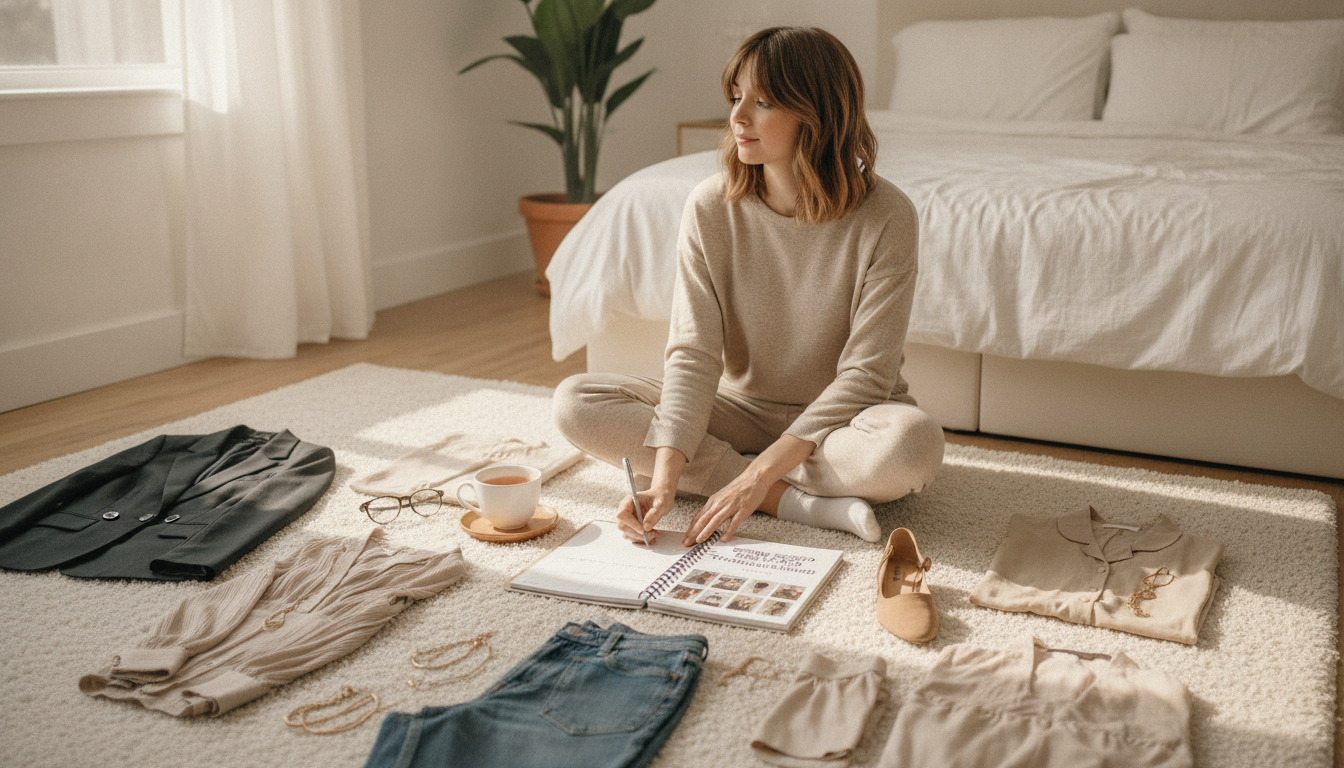
Getting Dressed Feels Easier When You Plan Ahead: Outfit Planning for the Week Ahead
Planning outfits once for the week can cut down on rushed mornings, reduce decision fatigue, and make it easier to feel put-together with the clothes already in the closet. A simple routine—choose anchors, check weather, and pre-build a few mix-and-match looks—turns “what do I wear?” into a quick grab-and-go moment.
Why planning outfits ahead changes the whole morning
Most mornings don’t fall apart because of one big issue—they unravel through tiny decisions stacked on top of each other. Outfit planning works because it moves those choices to a calmer moment, when you can think clearly and see what you actually have.
- Reduces daily decisions by making a few choices in one sitting, which can help lower the mental load associated with routine tasks. Harvard Business Review has discussed how decision fatigue affects everyday performance (HBR).
- Avoids last-minute laundry surprises by confirming what’s clean, what’s wrinkled, and what’s missing a button before you’re already late.
- Fits real life: meetings, errands, school runs, workouts, and social plans feel easier when outfits match the day’s demands.
- Improves cost-per-wear by rotating overlooked pieces on purpose instead of defaulting to the same two outfits.
A 20-minute weekly routine that keeps it simple
Outfit planning doesn’t need a spreadsheet or a full closet reorganization. A short, repeatable routine is what makes it stick.
- Pick a planning time (Sunday evening is common) and set a timer for 20 minutes so it stays light.
- Scan your calendar for three categories: important events, active days, and “comfort needed” days.
- Check the forecast for temperature swings, rain, or wind so you’re not surprised midweek. For reliable updates, use the NOAA resources or a local forecast tied to NOAA data.
- Choose 2–3 anchor items for the week (jeans, trousers, a skirt, a key dress), then build outfits around them.
- Add one practical prep step: start a laundry load, set out items to steam, or move “dry clean only” pieces out of rotation for this week.
If you like having a place to capture your week at a glance, the Getting Dressed Feels Easier When You Plan Ahead – Outfit Planning Guide for the Week Ahead keeps outfits, backups, and notes in one tidy system.
Start with a mini closet edit (without doing a full clean-out)
The goal isn’t a perfect wardrobe—it’s a usable one for the next seven days. A quick “mini edit” makes planning faster and reduces midweek frustration.
- Pull a ready rack of 10–15 pieces that fit now, feel good, and match the season (tops, bottoms, layers).
- Set aside problem items: anything needing repair, tailoring, or special undergarments you can’t currently find.
- Identify one gap that causes outfit stalls—rain-friendly shoes, a layering cardigan, or a belt that makes trousers look finished.
- Keep a small “almost” bin for pieces that are close but not quite (needs hemming, needs lint roll, needs a different bra) so they don’t derail mornings.
If clutter is part of what slows you down, storage that keeps basics visible makes a noticeable difference. A streamlined dresser like the 6-Drawer Oak Dresser for Bedroom, Modern Wooden Closet Storage Chest can help keep tees, knits, and workout wear easy to grab without re-folding everything daily.
Build outfits like a capsule—just for this week
Think of this as a temporary capsule wardrobe: a small set of pieces that mix easily, repeat well, and cover your real schedule.
- Use a simple formula: base + layer + shoe + bag + finishing touch (jewelry, scarf, belt).
- Repeat shoes and outer layers on purpose; rotate tops to create variety without extra effort.
- Create a small color story (two neutrals plus one or two accents) so everything “talks” to everything else.
- Plan one low-energy outfit for the hardest day of the week (soft fabrics, easy proportions, nothing fussy).
- Add one elevated look—sometimes it’s simply a better shoe, a structured layer, or a polished bag.
Weekly outfit plan template
| Day | Main plan | Backup option | Shoes & outerwear | Notes (weather/laundry) |
|---|---|---|---|---|
| Mon | Anchor bottom + easy top + layer | Dress + tights | Sneakers + jacket | Pack umbrella if needed |
| Tue | Work/errand set | Jeans + knit | Loafers + trench | Choose bag the night before |
| Wed | Comfort-first outfit | Leggings + longline top | Walking shoes + hoodie | Schedule laundry check |
| Thu | More polished look | Same base, different layer | Boots + blazer | Add accessories |
| Fri | Casual finish | Skirt + sweater | Sneakers + denim jacket | Plan weekend outfit if going out |
Prep the night before in under five minutes
Weekly planning does most of the heavy lifting. A tiny nightly reset keeps the plan from collapsing when the week gets busy.
Make outfit planning work with real-life messiness
Helpful tools to keep the system going
- A quick planning framework to map outfits and backups in minutes: Outfit Planning Guide for the Week Ahead.
- A fit-focused styling resource for when “this doesn’t look right” slows down decisions: Shape-Savvy Style for Triangle Figures: The Ultimate Guide to Dressing Your Triangle Body Shape.
- Storage support that keeps basics folded, visible, and easy to grab: 6-Drawer Oak Dresser for Bedroom, Modern Wooden Closet Storage Chest.
FAQ
How many outfits should be planned for a week?
Plan 4–6 primary outfits plus 1–2 quick backups. Repeating shoes and outer layers while swapping tops and accessories creates variety without adding work.
What if the weather changes midweek?
Plan with layers and keep a backup outerwear and shoe option. A simple swap rule helps: keep the base outfit and change only the layer and shoes.
How can outfit planning work with a small closet?
Create a mini weekly capsule, stick to a simple color palette, and re-wear anchor pieces with different tops. Small changes like jewelry or a structured layer can make repeats feel fresh.











Leave a comment