Street Food Safety: How to Eat Well Without Getting Sick
Street Food Without Fear: Practical Ways to Eat Safely While Traveling or Close to Home
Street food can be one of the best parts of travel and everyday life—fresh, affordable, and deeply local. Safety usually comes down to a few repeatable observations and habits: heat, hygiene, turnover, water, and personal risk factors. With a simple “scan and decide” routine, it’s possible to enjoy food stalls with far less guesswork and a much lower chance of ruining a trip (or a workweek) with a stomach bug.
What “safe” street food really means
Street food safety isn’t about perfection—it’s about lowering exposure to germs and toxins while still enjoying what makes markets special. The biggest hazards tend to come from undercooked foods, cross-contamination (raw meat juices on cooked food), unsafe water or ice, and time-temperature abuse (food sitting warm for too long).
As a rule, “made-to-order” and “served hot” are often safer than “prepped hours ago” and “served lukewarm.” Personal factors also matter: pregnancy, immune suppression, chronic illness, and young children may need stricter choices and fewer “maybe” foods.
Quick Street Food Safety Scorecard
| What to look for | Good sign | Caution sign | Safer move |
|---|---|---|---|
| Heat | Food is steaming hot or cooked in front of you | Warm trays, partial reheating | Choose items cooked to order; skip lukewarm foods |
| Turnover | Long line, high sales volume | Food sitting out with few customers | Pick busy stalls during peak times |
| Hands & tools | Vendor uses separate utensils; minimal bare-hand contact | Same gloves/hand touches cash then food | Prefer stalls with clear separation or ask for a fresh serving |
| Water & ice | Bottled/sealed drinks; no ice or purified ice | Open jugs, questionable ice | Choose sealed beverages; avoid ice if uncertain |
| Raw items | Peel-it-yourself fruit; cooked vegetables | Raw salads washed in unknown water | Opt for peeled fruit or fully cooked produce |
| Dairy & sauces | Sauces kept hot or single-serve packets | Creamy sauces sitting out | Ask for sauce on the side or skip |
How to spot a safer vendor in 60 seconds
Think of your first minute at a stall as a quick inspection—no awkward interrogation required. Scan the setup: are ingredients covered, surfaces reasonably clean, and the workflow clear (raw stays separate from cooked)? A small stall can be safe if it’s organized and the food is moving fast.
- Temperature cues: active boiling, frequent flipping, a wok that stays ripping hot, oil that’s clearly at frying temperature.
- Specialty focus: vendors known for one or two items often have simpler handling and faster turnover.
- Practical hygiene signals: utensils for serving, food kept off the ground, a handwashing station or at least a dedicated rinse area.
- Timing: the early rush can mean fresher prep; very late-night trays can mean longer holding times.
When in doubt, walk 20 feet and compare. The “best smell” stall isn’t always the safest; the “most heat and movement” stall often is.
Foods that are usually lower risk (and how to order them)
Lower-risk street foods tend to share the same traits: high heat, minimal sitting time, and fewer raw add-ons.
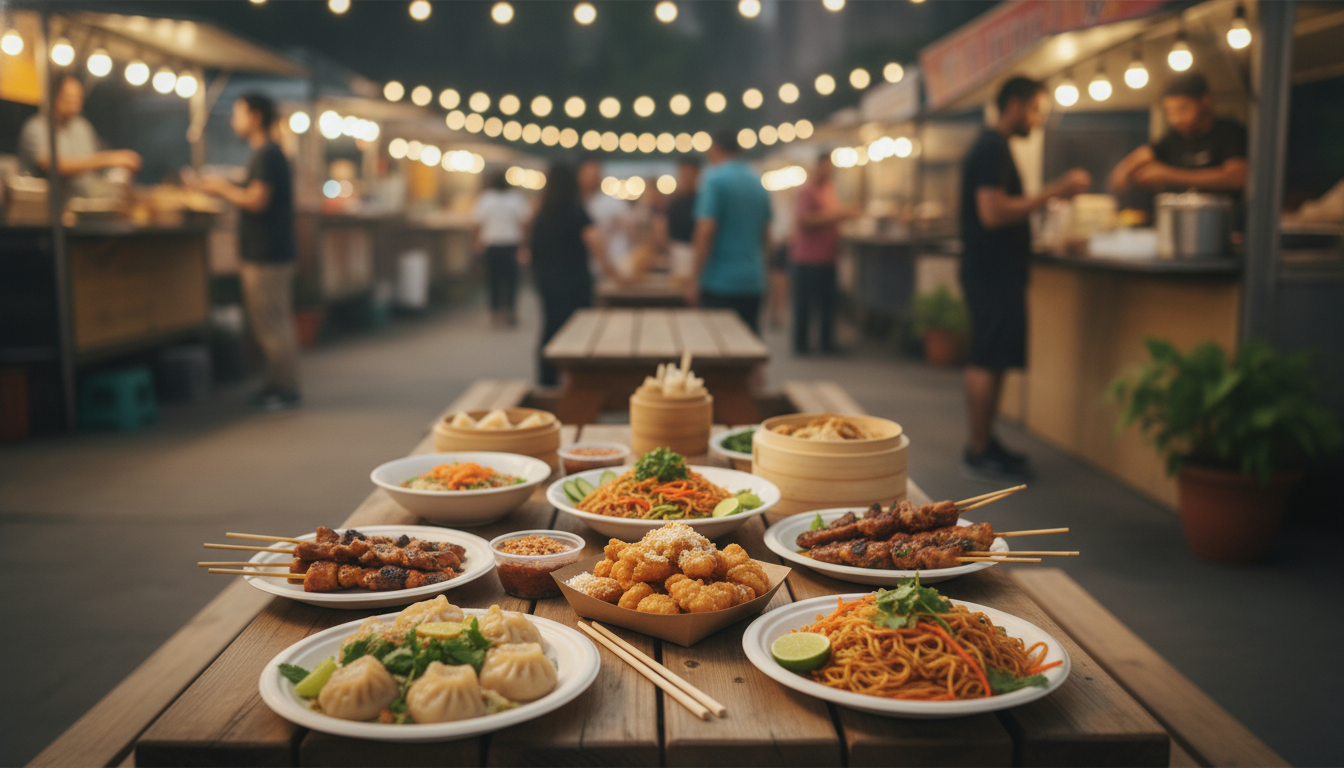
- High-heat cooked foods: grilled skewers, stir-fries cooked to order, soups brought to a rolling boil, fried items served immediately.
- Breads and baked goods: fully baked items that are handled minimally (especially if you see them coming straight from an oven or covered tray).
- Peelable fruits: bananas, citrus, mangos—best when you peel it yourself right before eating.
- Sealed or hot drinks: sealed bottled water/soda; tea or coffee made with boiling water.
Ordering tweaks that help: ask for “extra hot,” request a fresh batch, and keep sauces that sit out to a minimum (or ask for sauce on the side).
Higher-risk choices to treat carefully
Travel habits that quietly reduce risk
For additional official guidance on food and water precautions, see the CDC Travelers’ Health food and water safety page and the WHO Five Keys to Safer Food.
If you get sick: practical next steps
If you’re traveling and want a government checklist-style overview, the FDA Food Safety for Travelers page is a useful reference.
A step-by-step guide for confident street food choices
Some days you want more than “use common sense”—you want a repeatable system you can run quickly in any market. For a structured approach with checklists, decision rules, and everyday applications, use Street Food Without Fear – Is It Safe to Eat Street Food? Smart Travel & Everyday Eating Guide (eBook download). It’s especially helpful for travelers who hop countries quickly, people who love night markets, and anyone balancing adventure with caution.
For staying organized with snacks and pantry staples before you go (or for keeping a “low-risk meal kit” at home), A Simple System for an Organized Pantry – 10 in 1 Bundle of Guides, eBooks & Checklists can help streamline what you stock, how you store it, and what you grab on busy days.
FAQ
Is street food generally safe to eat?
It depends on the vendor and how the food is handled. Hot, freshly cooked foods from busy stalls are often safer than items sitting warm for long periods, and higher-risk groups (like pregnant travelers or immunocompromised people) should be more cautious.
What is the safest thing to order from a street vendor?
Steaming-hot, cooked-to-order items—like stir-fries, grilled skewers, and fried foods served immediately—are usually among the safest options. Peel-it-yourself fruit and sealed drinks are also good choices, while lukewarm trays and questionable ice are best avoided.
How can you tell if a street food stall is clean?
Look for clear separation of raw and cooked foods, covered ingredients, utensil use (not bare hands), and signs of handwashing access. A busy stall with high turnover and food cooked on high heat is typically a safer bet than a quiet stand with food sitting out.










Leave a comment