Wooden Cat Hammock Lounger for Warm, Cozy Naps
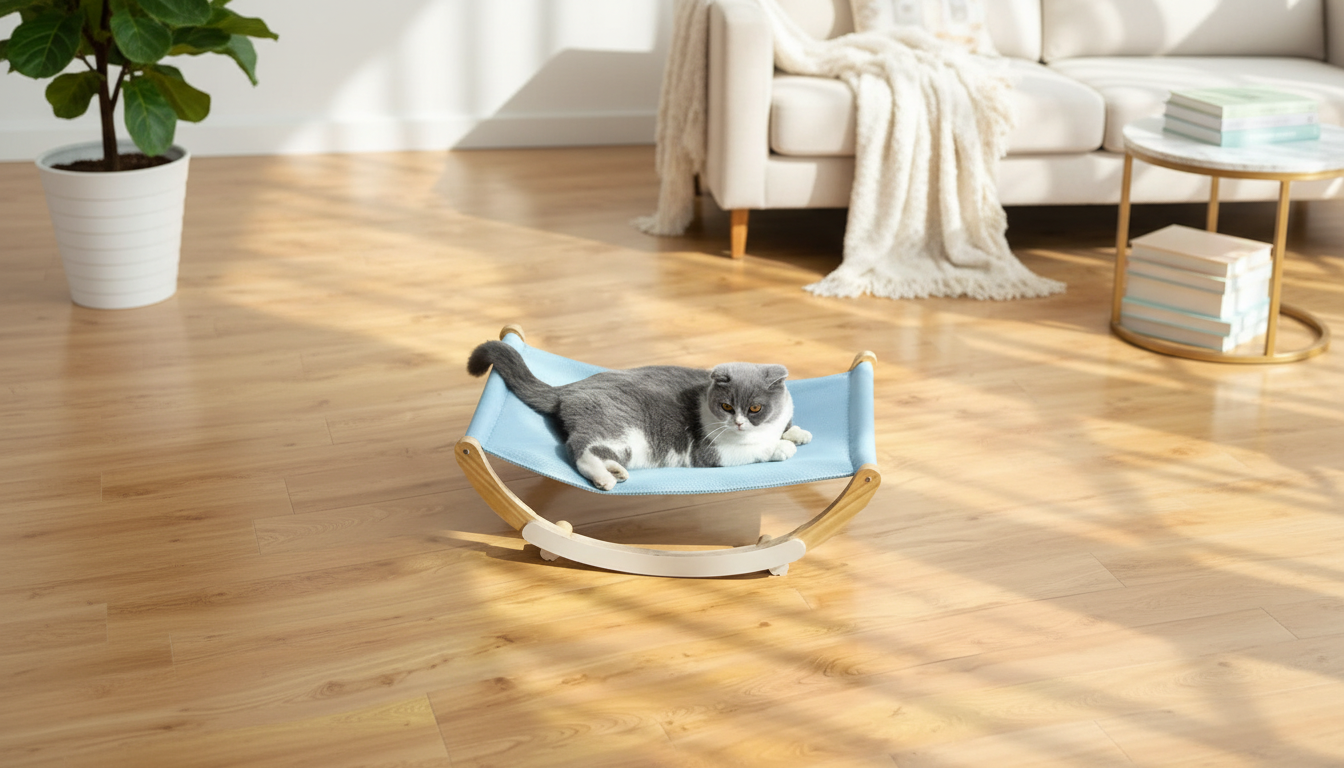
Comfortable Wooden Cat Hammock for Cozy Naps and Warm Lounging
A raised hammock-style bed can turn any sunny corner into a favorite nap spot. This wooden pet lounger combines a stable frame with a soft, supportive sling so cats (and many small dogs) can relax off the floor, away from drafts, and closer to the warmth they naturally seek. For pets that like to lounge where the household feels calm—but still want a “spot” of their own—a hammock bed offers a simple blend of comfort, airflow, and everyday practicality.
Why a Raised Hammock Bed Feels So Cozy
Many cats choose resting places that feel warm, slightly elevated, and predictably safe. A raised hammock bed supports those instincts while keeping the sleep surface neatly contained.
- Keeps pets slightly elevated, which can reduce contact with cold floors and minor drafts.
- Hammock-style fabric cradles the body, offering a snug, nest-like feel without bulky sides.
- Improves airflow around the bed, helping many pets stay comfortable during longer naps.
- Creates a defined “safe zone” that encourages routine rest in multi-pet homes.
General wellness basics—steady routines, clean rest areas, and comfortable environments—are widely recommended by animal-care organizations. For additional pet care guidance, see the American Veterinary Medical Association (AVMA) pet owner resources and the ASPCA’s general cat care tips.
Comfortable Wooden Cat Hammock: At-a-Glance Details
This style of lounger is designed to look like a small piece of furniture while delivering a soft, supportive place to rest. The result is a bed that can feel “special” to a pet without taking over a room.
- Designed as a warm, everyday lounger for cats and many small-breed dogs.
- Wooden frame provides a sturdy, furniture-like look that blends into living spaces.
- Sling surface supports natural curled or stretched sleeping positions.
- A practical option for pets that prefer resting slightly above ground level.
Quick Comparison: What to Look For in a Wooden Pet Hammock
| Feature | Why it matters | What this style provides |
|---|---|---|
| Raised design | Helps avoid chilly floors and adds a secure perch-like feel | Elevated hammock surface for lounging |
| Stable frame | Reduces wobble when pets step in or turn around | Wooden structure for steady support |
| Comfortable sling | Cradles the body and eases pressure points during naps | Hammock-style fabric support |
| Easy cleaning | Beds get fur and dander quickly, especially in shedding seasons | Removable/cleanable soft surface (follow care label) |
| Room placement | Warmth and quiet improve nap quality | Works well near sunlit windows or calm corners |
Where This Lounger Works Best at Home
Placement can make the difference between a bed that’s ignored and a bed that becomes the “default nap zone.” Aim for warmth, predictability, and a low-stress approach to traffic and noise.
- Near a window: many cats gravitate to sun patches; place the hammock where sunlight is safe and not overheating.
- Quiet corners: helps anxious or easily startled pets settle faster.
- Next to family areas: some pets rest better when close to people but not in the middle of foot traffic.
- Away from food and litter zones: separation supports a cleaner, calmer rest area.
- On a flat, non-slip surface: consider a small rug under the frame if flooring is slick.
Comfort and Support: Fit for Cats and Small Dogs
A hammock bed supports both curled and stretched-out lounging by gently distributing weight across the sling. The elevated surface can also feel “tidier” to pets that prefer not to sleep directly on the ground.
- For cats: encourages common sleep positions (loaf, curl, side-stretch) while maintaining a gently supportive cradle.
- For small dogs: can be a cozy alternative to thick bolstered beds, especially for dogs that like hammocks or cot-style loungers.
- For seniors: a slightly raised bed may make it easier to stay warm; ensure the step-in height is comfortable for the pet’s mobility.
- For multi-pet homes: a defined bed can reduce competition for couch spots and keep fur contained to one area.
Care, Cleaning, and Everyday Maintenance
Hammock beds stay inviting when the sling remains breathable and the frame stays stable. A little routine attention also helps manage fur and keeps the bed feeling “fresh” for pets that are picky about sleeping spots.
Helping a Pet Warm Up to a New Hammock Bed
Product Options (In Stock)
- Comfortable Wooden Cat Hammock – Warm Pet Lounger Bed for Cats & Small Dogs
- A Simple System for an Organized Pantry – 10 in 1 Bundle of Guides, eBooks & Checklists
- Chic Mixed Color Lace-Up Loafers
FAQ
Is a wooden hammock bed safe for cats that like to jump into beds?
It can be safe when the frame is placed on a flat, non-slip surface and all fasteners are kept snug so the bed doesn’t wobble. Choose an appropriate size for your cat, and supervise the first few uses to confirm the bed stays stable as your cat hops in and turns around.
Can small dogs use a cat hammock lounger comfortably?
Many small dogs do well with hammock or cot-style loungers if they can step in easily and turn around without feeling cramped. Check your dog’s mobility and comfort level, and place the lounger where the surface is steady so entry and exit feel secure.
How often should the hammock fabric be cleaned?
For most homes, a quick weekly shake-out or lint-roll helps control fur and keeps the sling breathable, with a deeper wash about once a month or as needed. Always follow the care label, and air-dry when possible to help the fabric keep its shape.










Leave a comment