Make Time to Work Out: 10–20 Minute Busy-Day Plan
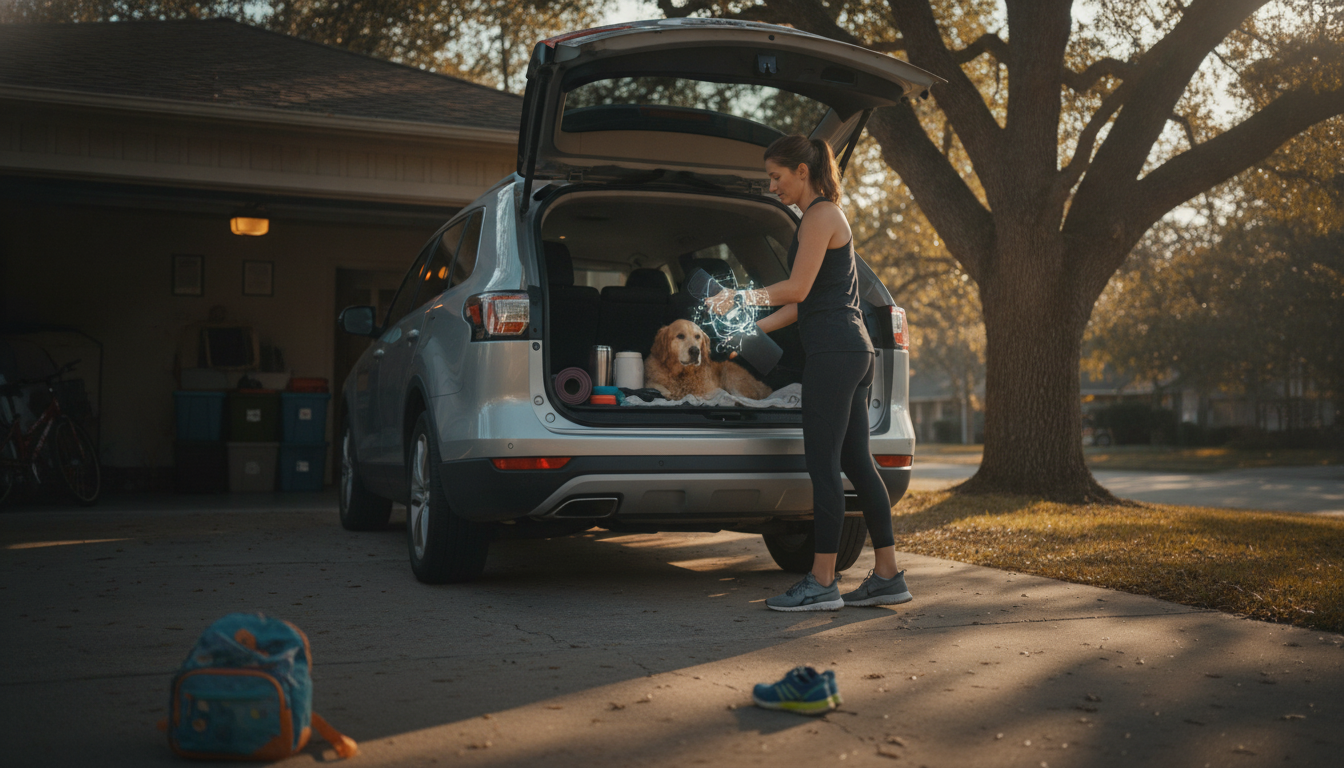
How to find time to workout with a busy schedule?
Finding time to work out with a packed calendar usually comes down to one shift: stop waiting for a “perfect” hour and start collecting smaller blocks you can actually protect. Ten to twenty minutes done consistently can build strength, improve energy, and reduce stress—without rearranging your entire day.
Practical ways to make workouts fit (even on hectic days)
Schedule it like an appointment (and shrink the commitment)
Put workouts on your calendar the same way you’d schedule a meeting. If an hour feels unrealistic, book 12–20 minutes. A shorter, specific time window is easier to start—and easier to repeat.
Use “bookends” and buffers
Morning and evening “bookends” are often the least disrupted parts of the day. If that’s not possible, use buffers: the 15 minutes before a call, right after school drop-off, or while dinner is in the oven.
Create a default plan for busy days
Decision fatigue kills consistency. Keep a go-to routine that requires zero setup: bodyweight squats, push-ups (or incline push-ups), lunges, a plank, and a quick finisher like jumping jacks. When time is tight, doing the default beats doing nothing.
Lower friction at home
Lay out clothes the night before, keep a mat in a visible spot, and choose workouts that don’t require commuting or complex equipment. The fewer steps between “I should” and “I’m moving,” the more often it happens.
Think weekly, not daily
Busy weeks aren’t evenly busy. Aim for a weekly target (like 3–5 short sessions). Miss Monday? You can still win the week by stacking two quick workouts on lighter days.
For a ready-to-use approach that’s designed specifically for tight schedules, see this guide: 10–20 minute at-home workouts for a busy plan.
FAQ
What’s a good 10-minute workout I can do at home with no equipment?
Try a simple circuit: 40 seconds each of squats, incline push-ups, reverse lunges, plank, and jumping jacks, resting 20 seconds between moves. Repeat the circuit twice for a full 10 minutes.












Leave a comment