Most Accurate Weather Forecasting AI: What to Trust
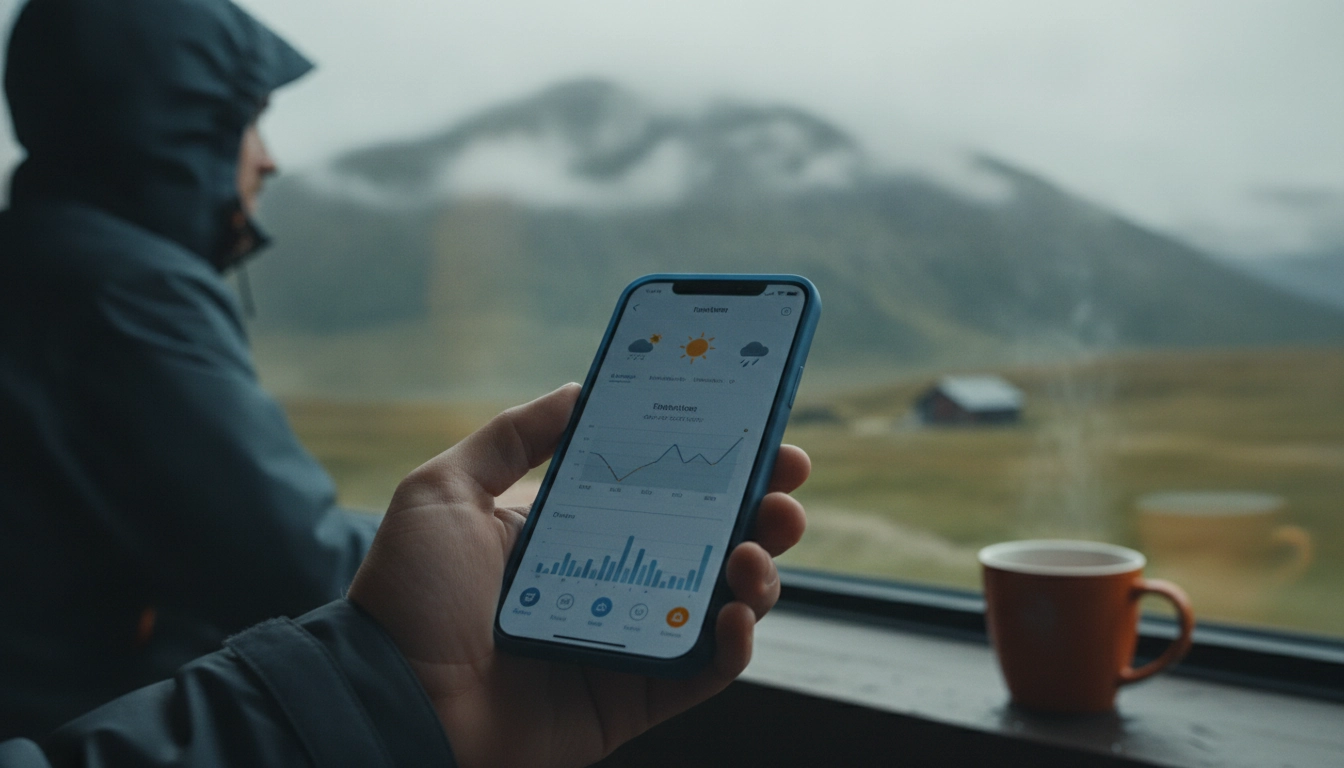
What is the most accurate weather forecasting AI?
The most accurate weather forecasting “AI” depends on what you mean by accuracy and where you need it. For day-to-day planning across large areas, AI-enhanced models run by major national weather centers and leading private providers tend to be the most reliable because they combine physics-based numerical weather prediction with machine learning for bias correction, downscaling, and rapid updates. For hyperlocal needs—like a venue, neighborhood, or event footprint—accuracy often comes from high-resolution nowcasting systems that blend radar, satellite, surface stations, and short-term ML predictions to estimate conditions minute by minute.
Instead of looking for a single universal winner, evaluate weather AI by the task:
- Short-term (0–6 hours): Nowcasting AI is usually best, especially for rain timing, storm movement, and wind shifts near the site.
- Medium-range (1–7 days): Global model ensembles with ML post-processing tend to perform best overall, particularly when you track probability and uncertainty.
- High-impact hazards: Tools that surface confidence levels, alerts, and scenario ranges are more useful than a single “best-guess” number.
For events and operations, “most accurate” is often the system that delivers the clearest, fastest signal for your exact decision points (start/stop times, shelter triggers, staffing changes), plus transparent uncertainty. A practical approach is to compare at least two reputable sources, watch for agreement trends, and anchor actions to thresholds (e.g., lightning within a set radius, sustained winds above a limit, rain rate exceeding a cutoff).
For a hands-on checklist focused on weather-smart planning and crowd flow decisions, see this weather-smart crowd flow forecasting guide.
For Most Accurate Weather Forecasting AI: What to Trust, the best answer depends on fit, material, care instructions, and how the product will be used day to day.
FAQ
How do I choose a weather forecast for an outdoor event?
Pick a forecast that provides hourly detail, hazard alerts (lightning, wind gusts, heavy rain), and probability ranges. Pair it with a clear action plan so each threshold triggers a specific operational decision.











Leave a comment