Cat Body Language: Ears, Tail, Eyes & Stress Signals
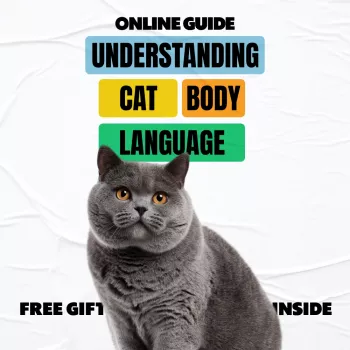
Understanding Cat Body Language: A Clear, Practical Guide to Happier, Stress-Free Cats
Cats communicate constantly—just not in the ways most people expect. Small changes in ears, eyes, tail, posture, and distance can reveal whether a cat feels safe, curious, overstimulated, or ready to defend themself. Getting better at “reading the room” helps prevent scratches and bites, reduces daily stress, supports smoother handling (nail trims, carrier time, vet visits), and builds long-term trust.
Start with the whole picture: context + baseline behavior
Cat body language works best when it’s interpreted as a pattern, not a single “tell.” Before deciding what a signal means, compare it to your cat’s normal baseline: energy level, sociability, play style, and touch tolerance. One cat’s tail twitch can be “I’m excited,” while another’s is “I’m done.”
Context matters just as much. Note the time of day, location, who’s present, noise level, and recent changes (visitors, a new pet, moving furniture, different litter, construction sounds). Also consider resource availability: crowded litter box areas, a single water bowl, or limited resting spots can quietly raise tension—especially in multi-cat homes.
Finally, watch distance and choice. A relaxed cat can approach and can also leave freely. A stressed cat may freeze, hide, or position themself to block exits. The clearest read comes from clusters of cues (ears + eyes + body tension + tail position), not one body part in isolation.
The cat “calm and comfortable” profile
A comfortable cat looks loose and natural: weight evenly distributed, body soft, movements smooth rather than jerky. Ears are neutral or gently forward, eyes look soft with normal blinking, and whiskers rest to the sides.
Tail positions vary by individual, but common relaxed versions include: tail resting on the ground, gently upright with a relaxed tip (often a friendly greeting), or loosely wrapped while resting. Friendly signals often include slow blinking, head rubbing, a relaxed side-flop, or gentle kneading. (Kneading can also show mild arousal in some cats, so pair it with the rest of the body.)
Best response: keep interactions predictable. Offer choice: present a hand for sniffing, pet in short bursts, pause between strokes, and let your cat “vote” by leaning in or stepping away. Reward calm behavior with a treat, praise, or a quick play session.
Early stress and uncertainty: the signals most people miss
Many problems start with subtle stress signals that are easy to overlook. Watch for ears rotating sideways (“airplane ears”) or flicking rapidly, widened eyes with larger pupils, and whiskers that pull forward or flatten depending on arousal.
The body may become still or slightly crouched. Your cat might lean away, lower the head, tuck paws as if ready to move, or pause mid-interaction as though deciding whether to stay or leave. Tail changes are especially useful: lowering, tucking, or swishing with increasing intensity often signals rising arousal. A twitching tail tip can mean “I’m getting worked up,” not “I’m happy.”
Displacement behaviors—sudden grooming, lip licking, yawning, sniffing the floor, or turning the head away—can indicate internal conflict or discomfort.
Best response: reduce intensity. Lower your voice, move more slowly, increase distance, and pause handling. Let your cat re-approach. If your cat is food-motivated, use tiny treats at a safe distance to create a “this is okay” association without pushing contact.
Overstimulation during petting: when “enjoying it” flips quickly
Fear and defensive aggression: how to prevent escalation
Quick reference: body parts and what they often mean
| Body area | Often seen as | Common meaning | Supportive response |
|---|---|---|---|
| Ears forward/neutral | Open, interested | Comfort/curiosity | Invite interaction; offer a hand to sniff |
| Ears sideways/back | Uncertain/irritated | Stress building | Pause, reduce handling, increase distance |
| Slow blink/soft eyes | Affiliative | Relaxed, non-threatening | Slow blink back; keep movements gentle |
| Wide pupils + still body | High arousal | Fear/excitement/overstimulation | Create space; switch to calm voice and slower pace |
| Tail upright (relaxed) | Friendly greeting | Comfort and confidence | Allow approach; reward calm contact |
| Tail swishing/thumping | Agitated | Overstimulation or frustration | Stop petting; redirect to play; give space |
| Body crouched/hidden | Avoiding | Fear or uncertainty | Provide safe hideouts; avoid reaching in |
| Arched back + fur up | Defensive display | Threatened | Do not approach; ensure escape route |
Turning signals into a calmer home routine
A practical next step for faster progress
- Understanding Cat Body Language: A Clear, Practical eBook Guide for Cat Owners Who Want Happier, Stress-Free Cats
- The Paycheck Power Checklist (Printable Checklist)
- Nordic Style Flower Sculpture Side Table
Trusted references for cat behavior basics
For more feline-focused, science-informed guidance, explore the cat-friendly handling and behavior resources from the American Association of Feline Practitioners (AAFP), practical behavior guides from International Cat Care, and health/behavior information from the Cornell Feline Health Center.
FAQ
What does it mean when a cat’s tail is wagging?
Tail swishing usually signals rising arousal—irritation, overstimulation, frustration, or intense focus—rather than “happiness” the way many people interpret a dog’s wag. The faster and harder the swish or thump (especially with tense body language), the more important it is to pause petting, give space, or redirect to play.
How can a shy cat show affection without coming close?
Many shy cats show affection through slow blinks, choosing to rest in the same room, turning their body sideways, or approaching briefly and then leaving. Respecting that distance while offering treats or gentle play helps build confidence without forcing contact.
When should cat body language concerns become a vet visit?
Schedule a vet visit for sudden behavior changes, new aggression, increased hiding, litter box changes, appetite shifts, or signs of pain (flinching when touched, hunched posture, or over-grooming one spot). Ruling out medical causes first prevents missed pain issues that can look like “behavior problems.”











Leave a comment