Kids in Meal Planning: Simple Roles, Themes & Checklists
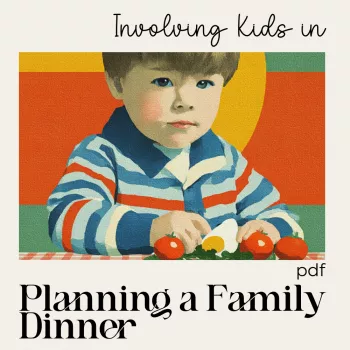
How to involve children in family meal planning?
Getting kids involved in family meal planning works best when the tasks feel like real responsibility (not busywork) and the options are clear. Start with a short weekly “food huddle” and let children help choose meals within simple boundaries: a set budget, a couple of family favorites, and one new idea to try. Even picky eaters tend to participate more when they get a vote and can see what’s coming.
Keep the process age-friendly and concrete. Offer two or three choices instead of open-ended questions, and use a visual plan (a whiteboard or paper menu) so kids can point, circle, and “own” the decision. When they help plan, they’re also more likely to help prep, set the table, and actually eat what’s served.
Easy ways to give kids a role
Assign rotating jobs: one child picks the veggie, another chooses a protein, and another selects a side or sauce. Rotate weekly so everyone gets a turn at the “fun” choices.
Let them build a theme night: taco night, pasta night, breakfast-for-dinner, or “rainbow plates” where each person chooses foods in a few colors.
Use a simple checklist: kids can help write the grocery list, count pantry items, or check off ingredients as they’re added to the cart.
Make it practical (and calm)
Keep the rules predictable: include at least one familiar food at dinner, and set a “try it” expectation that’s reasonable for your child (like one bite or one small spoonful).
Plan for time: choose one “easy night” when kids are tired or schedules are packed. Save experiments for weekends or slower evenings.
Invite their input after dinner: a quick “keep, change, or never again” vote helps future planning without turning meals into a debate.
For a ready-to-use approach with roles and a kid-friendly checklist, see this guide to helping kids plan a cozy family dinner.
FAQ
How can I get my child to try new foods without fights?
Offer small portions of the new food alongside a familiar favorite, and keep the goal tiny (like one bite). Praise curiosity and effort, not a clean plate, and avoid making dessert a bargaining chip.









Leave a comment