Safe Street Food: What to Eat and What to Avoid
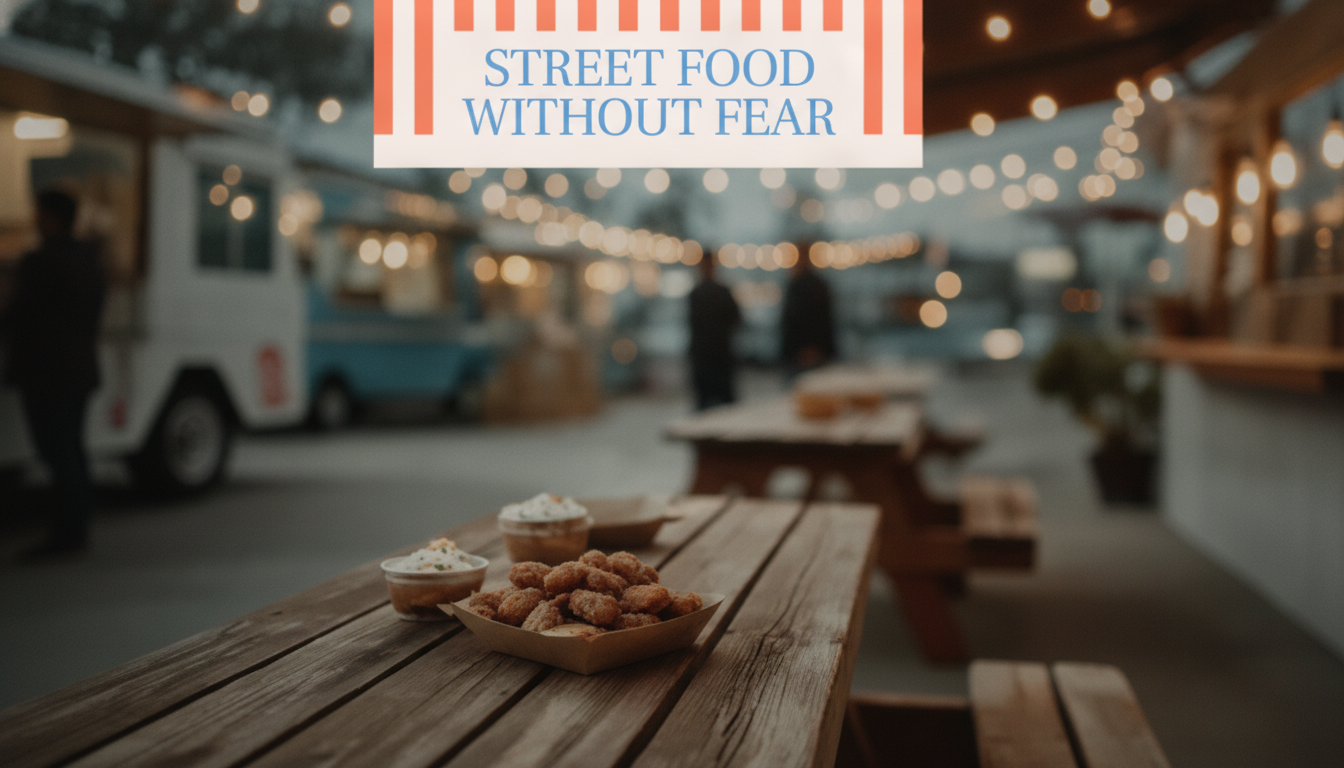
Which street food is safe to eat?
Street food can be safe to eat when it’s cooked thoroughly, served hot, and handled with clean tools and fresh ingredients. The safest choices are typically foods that are made to order, spend minimal time sitting out, and come from vendors with steady turnover. If the cart or stall looks busy, that’s often a good sign the food (and ingredients) are being replaced frequently.
Look for food that’s cooked hot and eaten right away
Choose items that are sizzling, steaming, or pulled directly from boiling oil or a hot grill. High heat helps kill germs, and eating it right after cooking reduces the chance of contamination. Great examples include grilled skewers cooked in front of you, hot soups, fried foods that come out fresh, and stir-fries made to order.
Prefer vendors with clean habits and simple setups
Food safety is as much about handling as it is about cooking. Pick vendors who use tongs or gloves, keep raw and cooked foods separate, and have a basic handwashing setup or sanitizer nearby. A tidy station, covered ingredients, and clean plates/utensils are strong signals. Avoid stalls where money and food are handled with the same bare hands without any cleaning in between.
Be cautious with cold, raw, or pre-cut items
Items that sit at room temperature are riskier, especially if they contain mayonnaise, dairy, eggs, seafood, or cooked rice. Be wary of pre-cut fruit left uncovered, raw salads, lukewarm buffet trays, and sauces that have been sitting out all day. If you can’t confirm it’s been kept cold (or it isn’t freshly made), skip it.
Want a deeper checklist?
For a practical, step-by-step guide to choosing safer vendors and foods while traveling, visit this street food safety guide.
FAQ
How can I tell if a street food vendor is clean?
Look for covered ingredients, separate tools for raw and cooked foods, and a vendor who uses tongs/gloves and keeps surfaces tidy. A steady line of customers also suggests fresher turnover.










Leave a comment