At-Home Scalp Massage: Easy Steps for Relaxation
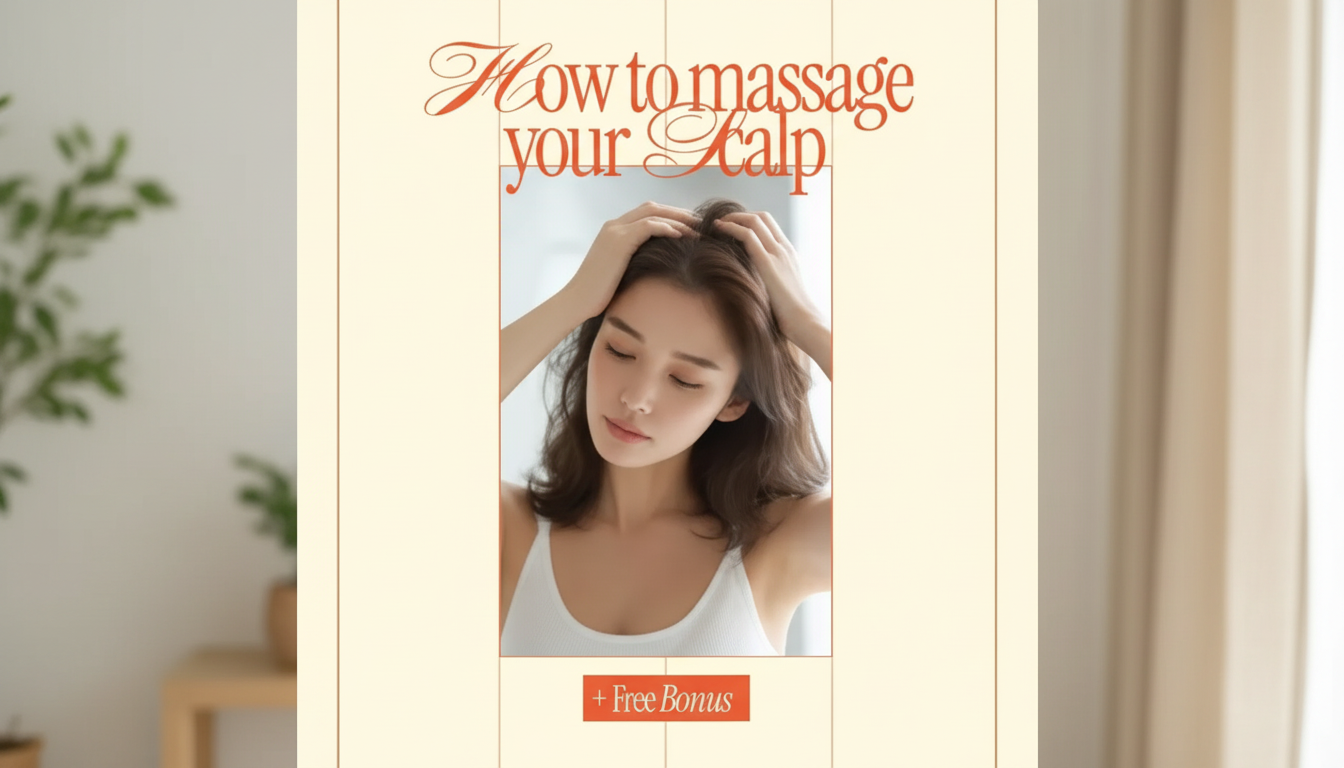
How to Massage Your Scalp at Home: A Relaxing Self-Care Guide
A scalp massage can ease tension, support relaxation, and help the scalp feel comfortable and refreshed. With a few simple techniques and the right pressure, it’s easy to build a quick routine that fits into mornings, shower time, or a wind-down ritual before bed.
Why scalp massage feels so good
- It helps release tension that can collect in the scalp, temples, jaw area, and the base of the skull—especially after long hours at a desk.
- Slow, steady touch can encourage a calmer, more grounded feeling, which is useful during stress or screen-heavy days. (For a broader look at stress and how it shows up in the body, see Cleveland Clinic’s overview.)
- It can make shampooing and product application feel more effective by distributing product and loosening surface buildup.
- Over time, consistent scalp care may support the look of healthier hair as part of a routine—without treating or diagnosing medical conditions. For everyday scalp-care basics, the American Academy of Dermatology Association is a helpful reference.
Before you start: set up for comfort
- Choose timing: 2–5 minutes for a reset, 10 minutes for a fuller self-care session.
- Hands: Use clean fingertip pads; trim nails so you don’t accidentally scratch or irritate the scalp.
- Hair: This works on dry hair, damp hair, or in the shower—pick what feels best and most convenient.
- Optional add-ons: A few drops of hair-safe oil (patch test first), a warm towel, or calming music.
- Posture: Sit tall or lie down; soften your shoulders and unclench your jaw before you begin.
Pressure and safety basics
- Use fingertip pads (not nails) and aim for “pleasant pressure” rather than pain.
- Start light and increase gradually; the scalp can feel more sensitive when it’s dry, stressed, or sun-exposed.
- Avoid vigorous rubbing on irritated skin, open cuts, sunburn, or active scalp conditions unless a clinician advises otherwise.
- Stop if there is sharp pain, dizziness, nausea, or worsening headache symptoms. If headaches are frequent or severe, consider medical guidance; Mayo Clinic’s tension headache overview is a useful starting point.
- If using oil or serum: apply sparingly to help prevent greasy buildup; cleanse thoroughly afterward if needed.
Core techniques: a simple routine that works
Move slowly enough that each area gets attention. A helpful pacing cue: inhale as you start a movement, exhale as you soften the pressure.
1) Warm-up sweep (30 seconds)
Place your palms on the sides of your head and gently glide upward, then release. Repeat slowly, keeping shoulders down.
2) Circular kneading (2 minutes)
Using fingertip pads, make small circles. Travel in “rows” from the hairline to the crown so you don’t miss sections.
3) Scalp “lift” (1 minute)
Place fingers on both sides of the head and gently move the scalp over the skull in tiny shifts. Think “move the scalp,” not “rub the hair.”
4) Occipital release (1 minute)
Massage at the base of the skull with thumbs or fingertips. When you find a tender spot, pause with steady pressure for 5–10 seconds, then soften.
5) Temple circles (30–60 seconds)
Use very light, slow circles at the temples. Keep the jaw relaxed; let the tongue rest gently against the roof of the mouth if that helps reduce clenching.
6) Finish press (20 seconds)
Place a full hand on the top of the head for a gentle, even press. Slowly release, as if “melting” the pressure away.
| Technique | Where | How long | Best for | Tip |
|---|---|---|---|---|
| Warm-up sweep | Sides of head | 30 sec | Relaxing into the session | Keep shoulders down and breathe slowly |
| Circular kneading | Hairline to crown | 2 min | General tension relief | Move in a grid so no area is missed |
| Scalp lift | Parietal areas (upper sides) | 1 min | Stiff, “tight scalp” feeling | Shift scalp gently rather than rubbing hair |
| Occipital release | Base of skull | 1 min | Neck/head tension | Hold pressure on a tender spot for 5–10 seconds |
| Temple circles | Temples | 30–60 sec | Stress and jaw clenching | Use very light pressure here |
Scalp massage during a shower (quick method)
- Wet hair thoroughly; apply shampoo and distribute with fingertips.
- Massage in slow circles across the entire scalp for 60–90 seconds (avoid piling hair on top and tangling).
- Spend 15–20 seconds at the base of the skull and behind the ears where tension often sits.
- Rinse fully; follow with conditioner on mid-lengths and ends (keep heavy conditioner off the scalp if you’re prone to oiliness).
- If your scalp feels dry or “squeaky” after washing, reduce shampoo frequency or choose a gentler cleanser.
Build a weekly routine (2 minutes to 10 minutes)
Common mistakes to avoid
A guided option for step-by-step practice
- How to Massage Your Scalp – A Relaxing Self-Care Guide | Learn How to Give Yourself a Scalp Massage at Home
- A Simple System for an Organized Pantry – 10 in 1 Bundle of Guides, eBooks & Checklists
FAQ
How long should a scalp massage last?
For daily relaxation, 2–5 minutes is plenty. For deeper tension release, aim for 5–10 minutes; consistency tends to matter more than doing a long session once in a while.
Can a scalp massage help with headaches or stress?
It may help ease tension and promote relaxation, which can feel supportive during stressful periods. If headaches are frequent, severe, or changing, it’s best to seek medical advice.
Is it better to massage the scalp with oil or without?
Dry massage is fast and convenient for quick tension relief, while oil can add slip and comfort for dry scalps. Patch test first, and use only a small amount if you’re oily or prone to buildup.









Leave a comment