First Pet Starter Bundle for Kids: Calm 30-Day Plan
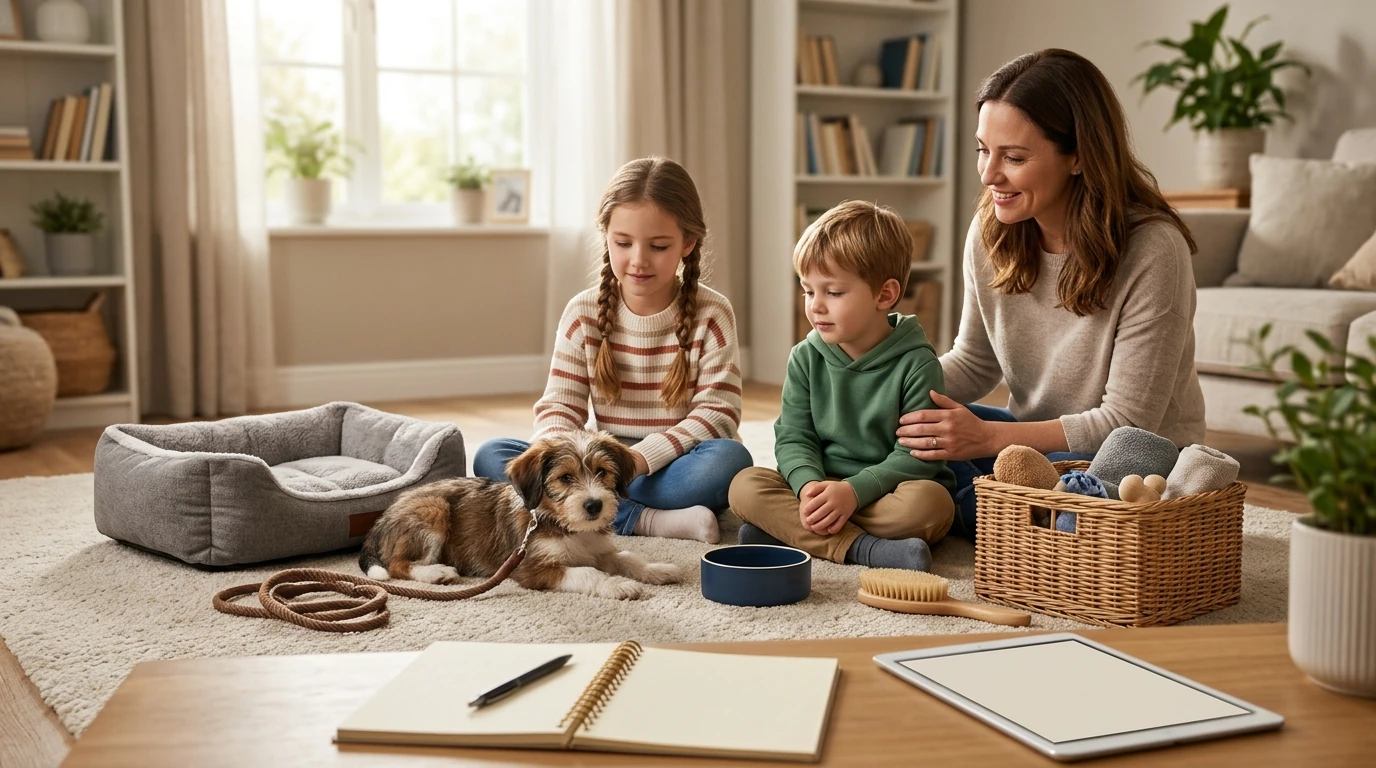
Perfect First Pet Bundle for Families with Kids: A Calm, Confident Start
Bringing a first pet into a home with kids is exciting, but the early decisions matter: choosing the right animal, setting routines, kid-safe handling, and planning for costs and care. A little structure up front helps avoid common “first-week surprises,” builds confidence for children, and gives the pet a smoother transition.
To make the start easier, many families lean on a beginner-friendly set of resources like the Perfect First Pet Bundle for Families with Kids – Guides, eBook, and Checklist for Beginners, then pair it with simple home organization so supplies are easy to find (for example, an organizing system like A Simple System for an Organized Pantry – 10 in 1 Bundle of Guides, eBooks & Checklists can help keep pet food, treats, and cleaning items in consistent “grab-and-go” zones).
Before Choosing a Pet: Match the Pet to the Family
The best first pet isn’t the trendiest—it’s the one that fits your real life. Before anyone falls in love with a specific animal, take 20 minutes and get clear on practical constraints and expectations.
- List non-negotiables: allergies, noise tolerance, space, landlord rules, and your typical weekday schedule (including travel and after-school activities).
- Set a caregiving plan: decide who feeds, who cleans, who handles vet visits, and who pays. Kids can help, but an adult should “own” the essentials.
- Decide the purpose: companionship, teaching responsibility, or a lower-maintenance animal. That single decision filters options fast.
- Confirm readiness for a multi-year commitment: many common pets live 10+ years, and care needs often increase with age.
Kid-Friendly Pet Options: Temperament, Handling, and Supervision
Temperament matters more than species labels. A calm, tolerant individual animal—paired with thoughtful supervision—usually fits best for households with younger kids.
- Prioritize temperament over trend: look for calmness, curiosity, and recoverability (how quickly the pet relaxes after a startle).
- Set supervision rules: kids and pets shouldn’t be left unsupervised, especially during the first month when everyone is learning each other’s signals.
- Teach gentle handling: quiet voices, slow hands, no chasing, and respect for the pet’s “safe space” (bed, crate, hide, or enclosure).
- Choose age-appropriate roles: toddlers can do supervised “helper jobs” (like pouring pre-measured food); older kids can share routine tasks.
Quick comparison for first-time families
| Pet type | Typical daily time | Kid handling notes | Best fit for |
|---|---|---|---|
| Dog | High | Needs training and structured supervision | Active families ready for routines |
| Cat | Medium | Likes choice and space; teach “let the cat come to you” | Busy families wanting independent companionship |
| Small mammal (guinea pig/rabbit) | Medium | Gentle handling; stress-sensitive; enclosure cleaning is key | Families wanting hands-on care without walks |
| Fish | Low–Medium | Hands-off interaction; water quality matters | Families wanting a quieter starter pet |
What the Bundle Helps With: Guides, eBook, and Checklist in Real Life
Preparation is less about buying “everything” and more about building repeatable habits. A practical bundle of guides and checklists can help families stay consistent—especially when multiple caregivers and excited kids are involved.
- Set up the home before arrival: use a checklist to confirm habitat or crate/enclosure, food, grooming basics, and safety steps (gates, cord control, trash security) as needed.
- Run simple first-week routines: feeding schedule, sleep setup, potty/litter habits, and calm introductions that avoid overwhelming the pet.
- Handle early hurdles: nipping, hiding, nighttime noise, and stress signs are common—and easier when you know what’s normal vs. what needs a call to the vet.
- Make rules visible for kids: post 4–6 simple house rules near the pet area to reduce mixed messages.
A Simple First-30-Days Plan
A predictable first month helps pets settle and helps kids learn respectful habits that stick.
Safety and Health Basics for Homes With Kids
Healthy routines protect both kids and pets. For broad, trustworthy guidance, review pet-owner resources from the American Veterinary Medical Association (AVMA) and hygiene tips from the CDC Healthy Pets, Healthy People.
Budget and Supplies: What to Plan For Upfront and Monthly
Starter shopping list (generic categories)
| Category | Examples | Buy before arrival? |
|---|---|---|
| Nutrition | Age-appropriate food, measuring scoop | Yes |
| Home base | Bed/crate or enclosure, liner/bedding | Yes |
| Care | Brush/comb, nail care, waste bags/litter supplies | Yes |
| Health | Vet appointment plan, ID tag (if relevant) | Yes |
| Enrichment | Chews, puzzle toys, scratching options (cats) | Yes |
Making Kids Part of the Routine (Without Overloading Them)
FAQ
What is a good first pet for a family with young kids?
A good first pet is one that matches your schedule, space, allergies, and the ages of your children—then fits your ability to supervise and maintain routines. Calm, tolerant temperaments are typically easier for young kids, and choosing an energy level you can realistically meet sets everyone up for success.
How can kids help with a new pet safely?
Give kids supervised, age-based jobs like pouring pre-measured food, refreshing water, or helping tidy the pet area, and keep handling calm and gentle (slow hands, quiet voices, no chasing). Reinforce hygiene with handwashing and teach kids to respect the pet’s resting space and “no thanks” signals.
What should be purchased before bringing a first pet home?
Have the essentials ready: food, a home base (crate/bed/enclosure), safety or containment items, hygiene supplies, basic enrichment, and a clear vet plan. A checklist helps ensure you don’t miss must-haves or buy duplicates while you’re focused on the exciting parts of the new arrival.











Leave a comment